
When to See a Skin Cancer Specialist in Dubai: Warning Signs You Shouldn't Ignore
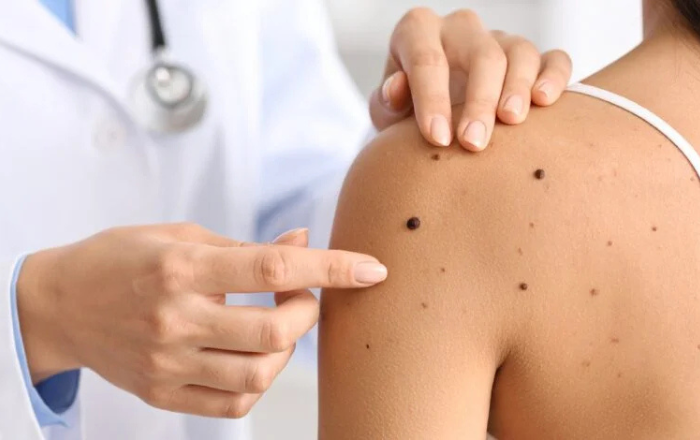
Your skin tells stories. It remembers long beach days, afternoon walks under intense sunlight, and even sunburns you forgot years ago. Most marks, freckles, and moles are harmless but sometimes your skin whispers a warning before it starts shouting.
Understanding Skin Cancer and Why Early Detection Matters
What Is Skin Cancer?
Skin cancer develops when skin cells begin growing abnormally. While not every unusual spot means cancer, some changes deserve immediate attention.
Common skin cancer types include:
- Melanoma
- Basal cell carcinoma
- Squamous cell carcinoma
Early detection remains one of the strongest factors affecting outcomes.
Why Early Detection Can Make a Difference
Think of early skin changes like smoke coming from a small spark. Addressing the issue early is easier than waiting for a larger fire.
According to the National Cancer Institute, recognizing early warning signs and seeking medical evaluation helps improve management and treatment planning.
When to See a Skin Cancer Specialist in Dubai
Doctors usuallIf you’ve ever wondered when to see ay track: skin cancer specialist in Dubai, the answer often starts with paying attention to changes.
A New Mole Appears
A new skin spot that keeps growing should not be ignored, particularly if it appears suddenly or behaves differently from other moles.
Watch for:
- Rapid growth
- Unusual color
- Irregular appearance
- Persistent changes
Existing Moles Start Changing
A changing mole dermatologist Dubai search often starts after patients notice changes in:
- Size
- Shape
- Color
- Texture
Moles that evolve over time deserve evaluation.
A Skin Spot Keeps Growing
Normal spots usually stay relatively stable.
Warning signs include:
- Thickening
- Enlargement
- Uneven borders
- Raised appearance
A Mole Begins Bleeding or Itching
An itchy bleeding mole can sometimes indicate abnormal changes.
Symptoms may include:
- Tenderness
- Bleeding without injury
- Persistent itching
- Crusting
A Non-Healing Skin Lesion
A skin lesion that won’t heal should never be ignored.
Possible warning signs:
- Open sores
- Recurrent scabbing
- Persistent redness
- Skin breakdown
A non-healing sore on skin often requires professional evaluation.
Changes in Color and Texture
Pay attention if a skin spot starts becoming:
- Darker
- Redder
- Multi-colored
- Rough
- Raised
A skin spot changing color size shape should prompt a specialist consultation.
Understanding the ABCDE Skin Cancer Rule
One of the most recognized screening tools is the ABCDE skin cancer rule.
A – Asymmetry
One half of the mole does not match the other.
B – Border
Edges appear irregular, uneven, or blurred.
C – Color
Multiple shades within the same lesion may be concerning.
D – Diameter
Larger spots can sometimes require closer examination.
E – Evolving
Perhaps the most important factor: Is it changing?
The World Health Organization Cancer Overview also emphasizes awareness and early action for suspicious changes.
Common Types of Skin Cancer
Melanoma Warning Signs
Melanoma can spread more aggressively than some other skin cancers.
Common melanoma warning signs include:
- Dark irregular spots
- Rapid changes
- Bleeding
- Uneven borders
Basal Cell Carcinoma Signs
Basal cell carcinoma signs may include:
- Pearly bumps
- Persistent sores
- Wax-like growths
- Scaly patches
Squamous Cell Carcinoma Symptoms
Squamous cell carcinoma symptoms may include:
Advanced imaging helps identify:
- Thick red patches
- Rough lesions
- Persistent crusting
- Non-healing sores
Risk Factors That Increase Skin Cancer Risk
Certain factors increase the chance of developing skin changes.
Common risk factors include:
Long Sun Exposure
High UV exposure UAE environments may increase risk.
Blistering Sunburn History
Past severe sunburns matter more than many people realize.
Family History of Skin Cancer
Family history may increase susceptibility.
Multiple Moles or Birthmarks
Patients with numerous moles may require closer monitoring.
Fair Skin, Freckles, Blond or Red Hair
Lower natural skin protection may increase sensitivity.
Indoor Tanning and Sunbeds
Artificial UV exposure can contribute to risk.
Immunosuppression
Certain medical conditions or treatments may increase vulnerability.
What Happens During a Skin Cancer Screening Dubai Appointment?
Many people feel nervous before a skin cancer consultation Dubai appointment. Fortunately, the process is usually straightforward.
A screening may include:
- Medical history discussion
- Visual skin examination
- Mole assessment
- Dermoscopy evaluation
- Biopsy recommendation if needed\
Early consultation can provide clarity and reassurance.
Book Your Consultation
A small skin change today may become a larger concern tomorrow. If you notice a suspicious mole in Dubai, a spot that keeps growing, or persistent skin changes, seeking timely advice can provide clarity and reassurance.
Schedule your consultation today and take proactive steps toward healthier skin.
Why Choose Us?
Patients want more than a diagnosis. They want guidance, expertise, and confidence throughout their healthcare journey.
Reasons patients choose our care:
- Personalized evaluations
- Patient-focused treatment plans
- Comprehensive oncology expertise
- Advanced diagnostic approaches
- Long-term support
Explore expert skin cancer specialist Dubai services and consultation options.
Conclusion
Knowing when to see a skin cancer specialist in Dubai starts with paying attention to your skin’s signals. A changing mole, non-healing sore, or unusual spot may seem small, but early action matters.
Your skin speaks every day. Listening early can make all the difference.
Frequently Asked Questions
Q1. Should I see a dermatologist for this mole?
If a mole changes in size, shape, color, bleeds, or becomes itchy, professional evaluation is recommended.
Q2. Can skin cancer appear without pain?
Yes. Many suspicious lesions develop without causing pain.
Q3. What does an abnormal mole look like?
Abnormal moles often have irregular borders, multiple colors, or changes over time.
Q4. Can young adults develop skin cancer?
Yes. Although age influences risk, younger individuals can develop skin cancer.
Q5. How often should I get skin cancer screening Dubai evaluations?
Frequency depends on individual risk factors.