
What Is Radiation Therapy and How Does It Work to Kill Cancer Cells?
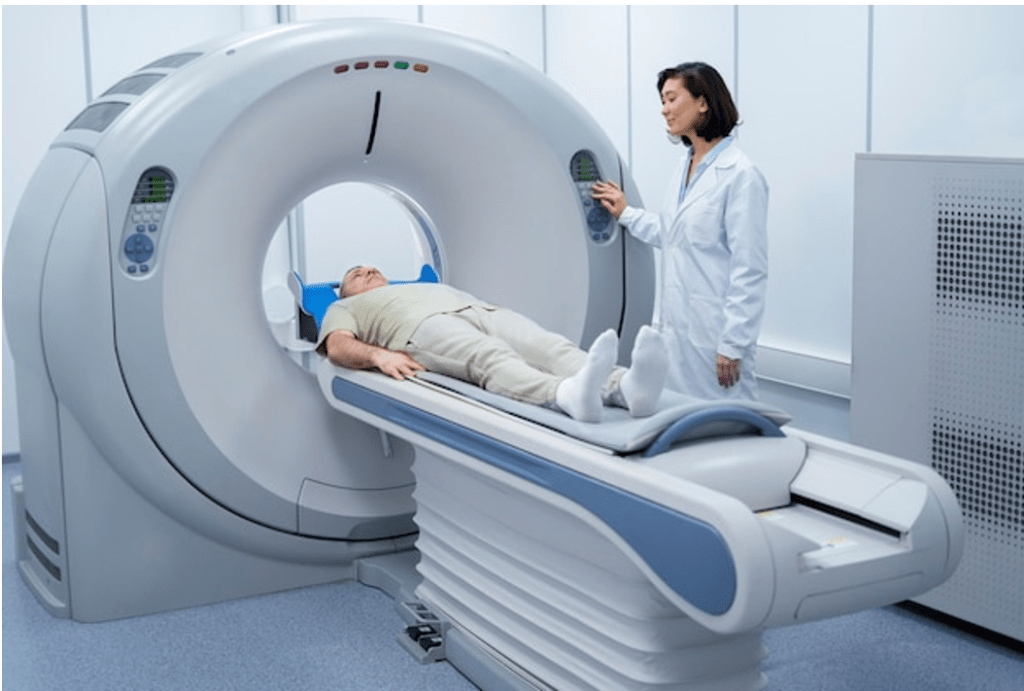
Introduction: The Power of Radiation in Modern Cancer Treatment
Radiation therapy is one of the most powerful tools in the fight against cancer. It has helped millions of patients around the world shrink tumors, manage symptoms, and even achieve remission. But how exactly does it work?
In this guide, we’ll demystify the science behind radiation therapy for cancer, explore how it selectively kills cancer cells, and help you understand what to expect if you or a loved one is undergoing this treatment. Whether you’re just researching or preparing for treatment, this article provides clear, expert-backed answers in a warm and accessible tone.
What Is Radiation Therapy?
Radiation therapy, also called radiotherapy, is a cancer treatment that uses high doses of ionizing radiation to destroy or damage cancer cells. It’s commonly used alone or in combination with surgery, chemotherapy, or immunotherapy.
Types of Radiation Therapy:
- External Beam Radiation Therapy (EBRT): Most common. Delivers focused beams from outside the body.
- Internal Radiation Therapy (Brachytherapy): Radioactive materials are placed directly inside or near the tumor.
- Systemic Radiation Therapy: Radioactive substances are taken orally or injected and travel through the bloodstream to target cancer cells.
Radiation therapy works by damaging the DNA of cancer cells, making them unable to grow or divide.
How Radiation Therapy Works: The Science Explained
1. Ionizing Radiation Damages DNA
At the core of radiation therapy’s mechanism of action is the ability of ionizing radiation to cause DNA damage in cancer cells. Radiation can:
- Directlybreak DNA strands (especially double-strand breaks)
- Indirectly create free radicals from water molecules, which then damage DNA
Cancer cells, which divide quickly and often have faulty DNA repair mechanisms, are especially vulnerable.
2. Cell Death from Radiation
When enough damage accumulates, the cancer cell cannot repair its DNA, leading to:
- Apoptosis (programmed cell death)
- Mitotic catastrophe (cells die when trying to divide)
- Senescence (cells stop dividing permanently)
Healthy cells can usually repair themselves, which allows for normal tissue protection in radiotherapy.
3. Targeting Tumor Cells While Sparing Healthy Tissue
Modern technology allows radiation to be delivered precisely to tumors while minimizing exposure to surrounding tissues. This is known as sparing normal tissue and is achieved through:
- Image-Guided Radiation Therapy (IGRT)
- Intensity-Modulated Radiation Therapy (IMRT)
- Stereotactic Body Radiation Therapy (SBRT)
These techniques ensure the highest possible dose goes to the tumor with the lowest risk to nearby healthy organs.
Why Some Cancers Respond Better Than Others
Not all tumors are equally sensitive to radiation. This is called radiosensitivity. For example:
- Lymphomas and germ cell tumors are highly radiosensitive.
- Sarcomas and kidney cancers are more resistant and may require higher doses or combined treatment.
Factors affecting response include:
- Tumor size and location
- Type of cancer
- Oxygen levels in tumor (hypoxic tumors are harder to treat)
Common Goals of Radiation Therapy
Radiation therapy may be used with different intents:
- Curative: To destroy the cancer entirely
- Adjuvant: After surgery to kill remaining cells
- Neoadjuvant: Before surgery to shrink tumors
- Palliative: To relieve symptoms in advanced cases
Side Effects of Radiation Therapy
While radiation therapy for cancer is generally well-tolerated, side effects can occur, including:
- Fatigue
- Skin irritation at the treatment site
- Hair loss in the treated area
- Nausea or diarrhea (depending on the area treated)
- Long-term tissue changes (rare)
Most side effects are temporary and manageable. Your care team will provide support to minimize discomfort.
FAQs:
Q1. What exactly is radiation therapy?
Radiation therapy is a cancer treatment that uses high-energy rays to kill or damage cancer cells.
Q2. How does radiation kill cancer cells but not normal cells?
Radiation damages DNA. Cancer cells can’t repair themselves well, but healthy cells usually can.
Q3. Is radiation therapy painful?
No. The treatment itself is painless, like getting an X-ray. Some side effects may cause mild discomfort afterward.
Q4. How long does a radiation therapy session take?
Most sessions take 15–30 minutes, but the actual radiation delivery lasts only a few minutes.
Q5. Will I be radioactive after treatment?
No, not with external beam radiation. Only some internal therapies may require temporary precautions.
Q6. Can radiation therapy cure cancer?
In many cases, yes—especially if detected early. It can also improve quality of life by reducing tumor size and pain.
Q7. How many sessions of radiation will I need?
It depends on the type and location of the cancer. Treatment plans may range from 1 to 40 sessions.
Call to Action: Expert Oncology Care Starts with the Right Questions
If you or a loved one has been diagnosed with cancer, understanding treatment options like radiation therapy is a crucial first step.
Dr. Rajeev Kaushal, a UK-certified oncologist with over 35 years of global experience, offers world-class radiation therapy services using advanced technologies like IMRT, VMAT, and CyberKnife.
Take control of your health with compassionate, expert-led cancer care. Let’s create your personalized treatment plan—because early, precise treatment matters.