
What Is Cancer? Symptoms, Causes & Types
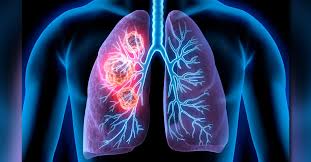
Cancer. Just hearing the word can feel overwhelming, right? It’s a word packed with emotion, uncertainty, and often, fear. But here’s the thing — understanding cancer doesn’t have to be scary. The more we understand it, the better we can deal with it, whether we’re preventing it, facing it ourselves, or supporting a loved one through it.
This guide is here to help you get a clear, no-nonsense understanding of what cancer is, what causes it, the symptoms you should never ignore, and the main types you should be aware of. Let’s take this one step at a time — just like how real life works.
What Is Cancer?
Let’s start with the basics. Cancer isn’t just one disease — it’s a group of diseases. What they all have in common is that they involve cells in the body growing out of control. Our bodies are made up of trillions of cells, and normally, these cells grow, divide, and die in an orderly fashion. But with cancer, this system breaks down.
Cancer cells don’t follow the rules. They keep growing and dividing even when they shouldn’t. They don’t die when they’re supposed to. Over time, they can form a lump (called a tumor) or spread through the body.
Some cancers grow slowly, while others move fast. Some stay in one area, others spread (metastasize) to different parts of the body. And that’s why early detection and understanding your risks is so important.
What Causes Cancer
This is one of the first things people ask: “Why did this happen?” And honestly, there isn’t always a clear answer. Cancer can be caused by a mix of factors, and sometimes, it happens without any obvious reason at all.
Here are a few common causes and risk factors:
- Genetics: If someone in your family had cancer, you might have a higher risk. But remember, having a risk isn’t the same as having a guarantee.
- Lifestyle: Smoking, heavy alcohol use, poor diet, and lack of physical activity can increase your risk.
- Environmental Exposure: Things like radiation, air pollution, and exposure to certain chemicals or toxins can contribute.
- Infections: Certain viruses like HPV (linked to cervical cancer) and hepatitis B or C (linked to liver cancer) can increase cancer risk.
- Age: Most cancers become more common as we get older — though younger people can be affected too.
Sometimes, despite living a healthy life and doing everything “right,” cancer still shows up. That’s frustrating, I know. But it’s why ongoing research, screening, and awareness are so important.
Symptoms of Cancer
Here’s the tricky part — cancer symptoms can be subtle, especially in the beginning. Some people feel fine. But here are some common red flags to look out for:
- Unexplained weight loss
- Persistent fatigue
- Lumps or swelling
- Changes in the skin or moles
- Unusual bleeding or discharge
- Persistent cough or hoarseness
- Changes in bowel or bladder habits
- Difficulty swallowing
If something feels off in your body, don’t ignore it. You know yourself best. Trust that gut feeling, and don’t hesitate to speak with your doctor.
👉 Want to dive deeper into symptoms? Check out our detailed blog: Top 10 Signs and Symptoms of Cancer.
Types of Cancer
There are more than 100 types of cancer, but here are the most common ones you should know:
- Breast Cancer
- Lung Cancer
- Prostate Cancer
- Skin Cancer (especially melanoma)
- Leukemia (a type of blood cancer)
- Lymphoma (affects the lymphatic system)
- Cervical and Ovarian Cancer
Each type has its own set of symptoms, treatment options, and outlook — but the good news is, many cancers are treatable, especially when caught early.
Risk Factors
Think of risk factors as things that raise your chances of developing cancer. Some we can control; some we can’t.
- Things we can't control: Age, gender, family history, and inherited genes.
- Things we can control: Smoking, diet, physical activity, sun exposure, alcohol, and environmental toxins.
Even if you have several risk factors, it doesn’t mean you’ll get cancer. But it’s still wise to focus on the areas you can influence.
Diagnosis and Tests
When there’s a suspicion of cancer, your doctor may suggest tests. These can include:
- Blood tests
- Imaging scans (like CT, MRI, PET, or ultrasound)
- Biopsy (where a small piece of tissue is removed to check for cancer cells)
- Endoscopy (a tiny camera is used to look inside your body)
Waiting for results can be the hardest part — the not knowing. But try to remember: information is power. Getting a diagnosis is the first step toward getting the right treatment.
How Is Cancer Staged?
Staging tells us how advanced the cancer is. It usually ranges from Stage 0 (very early) to Stage IV (spread to other parts of the body).
Doctors look at:
- The size of the tumor
- Whether it has spread to nearby lymph nodes
- Whether it has spread (metastasized) to other organs
Knowing the stage helps guide treatment decisions and gives a clearer picture of what to expect.
Management and Treatment
Cancer treatment is highly personalized. It depends on the type of cancer, its stage, and the patient’s overall health.
Common treatments include:
- Surgery: To remove the tumor
- Chemotherapy: To kill cancer cells
- Radiation therapy: To shrink or destroy tumors
- Immunotherapy: Boosts your immune system to fight cancer
- Targeted therapy: Focuses on specific changes in cancer cells
Sometimes, treatments are combined. And sometimes, newer options like clinical trials may be offered.
The key is creating a plan that’s right for you. And don’t be afraid to ask questions — understanding your treatment helps you feel more in control.
Prevention
We can’t prevent all cancers, but there’s a lot we can do to reduce the risk:
- Don’t smoke — it’s the #1 preventable cause of cancer
- Eat a balanced diet — plenty of fruits, veggies, and whole grains
- Move your body — regular physical activity makes a difference
- Limit alcohol
- Protect your skin from the sun
- Get screened regularly — early detection saves lives
Living With Cancer
A cancer diagnosis changes your life. There’s no sugarcoating that. But many people continue to live full, meaningful lives — during treatment and beyond.
Surround yourself with support. That might mean family, friends, support groups, or a mental health counselor. Every emotion you’re feeling is valid. From fear to frustration to hope — they’re all part of the journey.
Remember, you’re not alone. And no matter how heavy things feel, there’s help, care, and community out there for you.
FAQs:
Q1.Is cancer always deadly?
No. Many cancers are treatable, especially when detected early. Survival rates are improving every year.
Q2. Can I prevent cancer completely?
You can lower your risk, but you can’t guarantee total prevention. Lifestyle choices and regular screenings can make a big difference.
Q3.What are the first signs of cancer?
It depends on the type, but common early signs include unexplained weight loss, fatigue, lumps, or changes in skin and bowel habits.
Q4. Is cancer contagious?
Not at all. You cannot catch cancer from someone else.
Q5.What if I have a family history of cancer?
Talk to your doctor. You may benefit from earlier or more frequent screenings, and possibly genetic counseling.
Final Thoughts
Cancer is complex, yes. But facing it with knowledge, support, and hope makes all the difference. Whether you’re someone newly diagnosed, a loved one trying to understand, or simply someone wanting to learn — I’m glad you’re here. Because being informed is powerful.