
How to Prepare for Your First Appointment with an Oncologist
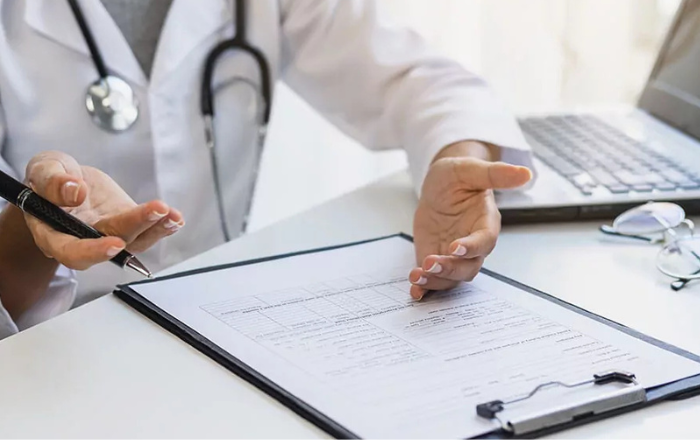
Hearing the word “cancer” can feel overwhelming. Your thoughts may race, questions may pile up, and emotions can become difficult to manage. But preparing for your first appointment with an oncologist can help you feel more confident, informed, and ready to take the next step toward treatment and recovery.
If you are searching for guidance on how to prepare for your first appointment with an oncologist, having the support of an experienced specialist is essential. Dr. Rajeev Kaushal is recognized as a trusted oncologist in Dubai who provides compassionate, patient-focused cancer care tailored to individual needs.
Understanding the Importance of Your First Oncology Visit
Your first oncology visit is more than just a consultation. Think of it as building the roadmap for your treatment journey. The oncologist reviews your diagnosis, explains your condition, discusses treatment options, and answers important questions.
Why Preparation Matters
Walking into the appointment prepared can:
- Reduce stress and confusion
- Help you understand your diagnosis clearly
- Improve communication with your doctor
- Save valuable consultation time
- Ensure no important information is missed
Preparation transforms uncertainty into clarity.
What Happens During the First Oncology Consultation
During the first oncology visit, the doctor may:
- Review your medical records and test results
- Discuss diagnosis and staging
- Explain possible treatment options
- Recommend additional tests if necessary
- Create a treatment strategy
According to the National Cancer Institute, understanding your diagnosis and treatment plan early can improve decision-making and patient confidence.
First Oncologist Appointment Checklist
A proper first oncologist appointment checklist can make your visit smoother and more productive.
Gather Medical Records and Test Results
Bring copies of:
- Biopsy reports
- Blood test results
- CT scans, MRI scans, or PET scans
- Pathology reports
- Previous treatment records
Having complete medical records and test results allows the oncologist to evaluate your condition accurately.
Prepare Your Insurance Card and Referral Documents
Do not forget:
- Insurance card
- Referral letters
- Identification documents
- Previous prescriptions
This prevents delays and administrative complications.
Make a List of Current Medications and Supplements
Many patients overlook this step. Include:
- Prescription medications
- Vitamins
- Herbal supplements
- Allergy information
Certain medications may affect cancer treatment or interact with chemotherapy drugs.
What to Bring to Your Oncology Appointment
Wondering what to bring to your oncology appointment? Here’s a practical list.
- Imaging Reports and Pathology Results
Bring both printed and digital copies if available. Some clinics may request CDs or online access to scans.
- Family Medical History
Cancer history in the family can influence diagnosis and treatment recommendations.
- Notebook or Digital Notes App
Cancer consultations often involve large amounts of information. Writing down instructions, recommendations, and questions can help later.
Questions to Ask Oncologist First Visit
One of the smartest ways to prepare for oncology appointment discussions is to create a list of questions beforehand.
Questions About Diagnosis and Staging
Ask questions such as:
- What type of cancer do I have?
- What stage is cancer?
- Has the cancer spread?
- What does this diagnosis mean for my future?
Understanding diagnosis and staging is essential for informed treatment decisions.
Questions About Treatment Options
Discuss:
- What treatment options are available?
- Is surgery necessary?
- Will chemotherapy or radiation therapy be required?
- Are clinical trials suitable for me?
Questions About Side Effects and Risks
Every treatment comes with possible risks. Ask:
- What side effects should I expect?
- How can symptoms be managed?
- Will treatment affect my daily activities?
Questions About Follow-Up Care and Next Steps
Clarify:
- What happens after treatment?
- How often are follow-up appointments required?
- What lifestyle changes should I make?
Writing down your questions before the appointment prevents important concerns from being forgotten.
How to Emotionally Prepare for Your First Oncology Visit
Cancer appointments are not just medically challenging—they can also be emotionally exhausting.
Managing Anxiety Before the Appointment
It is normal to feel nervous. Helpful strategies include:
- Deep breathing exercises
- Meditation
- Talking with loved ones
- Avoiding excessive internet searches
Bringing a Friend or Family Member for Support
Having someone beside you can:
- Provide emotional support
- Help remember information
- Ask additional questions
- Offer reassurance during difficult conversations
Sometimes, two sets of ears are better than one.
First Oncology Visit: What to Expect
Many patients ask about the first oncology visit and what to expect.
Appointment Duration and Discussions
Your first consultation may last anywhere from 30 minutes to an hour depending on:
- Complexity of diagnosis
- Number of tests reviewed
- Treatment planning requirements
Physical Examination and Treatment Planning
The oncologist may perform a physical examination and recommend:
- Additional imaging
- Genetic testing
- Blood work
- Specialized cancer screening
The goal is to create the most effective personalized treatment plan possible.
Common Mistakes to Avoid Before Seeing an Oncologist
Even with regular cervical screening, women should seek medical attention for symptoms such as:
Forgetting Important Medical Documents
Missing records can delay diagnosis and treatment recommendations.
Not Writing Down Questions
During stressful moments, important concerns can easily slip your mind.
Ignoring Symptoms or Concerns
Always mention:
- New symptoms
- Pain levels
- Fatigue
- Weight changes
- Emotional struggles
Your oncologist needs the full picture to provide the best care.
Why Choosing the Right Oncologist Matters
Choosing an oncologist is like choosing a guide for a difficult journey. Experience, communication, and compassion all matter deeply.
An experienced oncologist not only treats the disease but also supports the patient emotionally and psychologically throughout treatment.
The World Health Organization (WHO) emphasizes the importance of early diagnosis, coordinated care, and individualized treatment planning in improving cancer outcomes.
Why Choose Dr. Rajeev Kaushal – Best Oncologist in Dubai
When searching for the best oncologist in Dubai, patients often look for expertise, trust, and personalized care. Dr. Rajeev Kaushal is known for offering comprehensive oncology services with a patient-centered approach.
Reasons patients choose Dr. Rajeev Kaushal include:
- Extensive oncology expertise
- Personalized treatment plans
- Compassionate patient care
- Advanced diagnostic support
- Focus on long-term wellness and recovery
Connect with a trusted
oncologist in Dubai
Conclusion
Preparing for your first oncology appointment may feel intimidating, but taking the right steps can make the experience more manageable and empowering. From organizing medical records and test results to writing down questions and understanding treatment options, preparation helps you approach your appointment with confidence.
Most importantly, choosing the right specialist can make a meaningful difference in your cancer care journey. With compassionate guidance, clear communication, and expert treatment planning, you can move forward with greater clarity and hope.
FAQs (Voice Search Optimized)
Q1. What should I bring to my first oncologist appointment?
Bring medical records, imaging reports, pathology results, medications list, insurance documents, and a notebook for questions.
Q2. How long does a first oncology appointment take?
The first oncology visit may take between 30 minutes and to an hour depending on the complexity of the case.
Q3. What questions should I ask during my first oncology visit?
Ask about diagnosis, staging, treatment options, side effects, risks, and follow-up care
Q4. Can I bring a family member to my oncology appointment?
Yes, bringing a trusted family member or friend is highly recommended for emotional and practical support.
Q5. Should I prepare a medication list before seeing an oncologist?
Absolutely. Include all prescription medications, vitamins, supplements, and allergy information.