
How Does Cancer Start, Grow, and Spread in the Body?
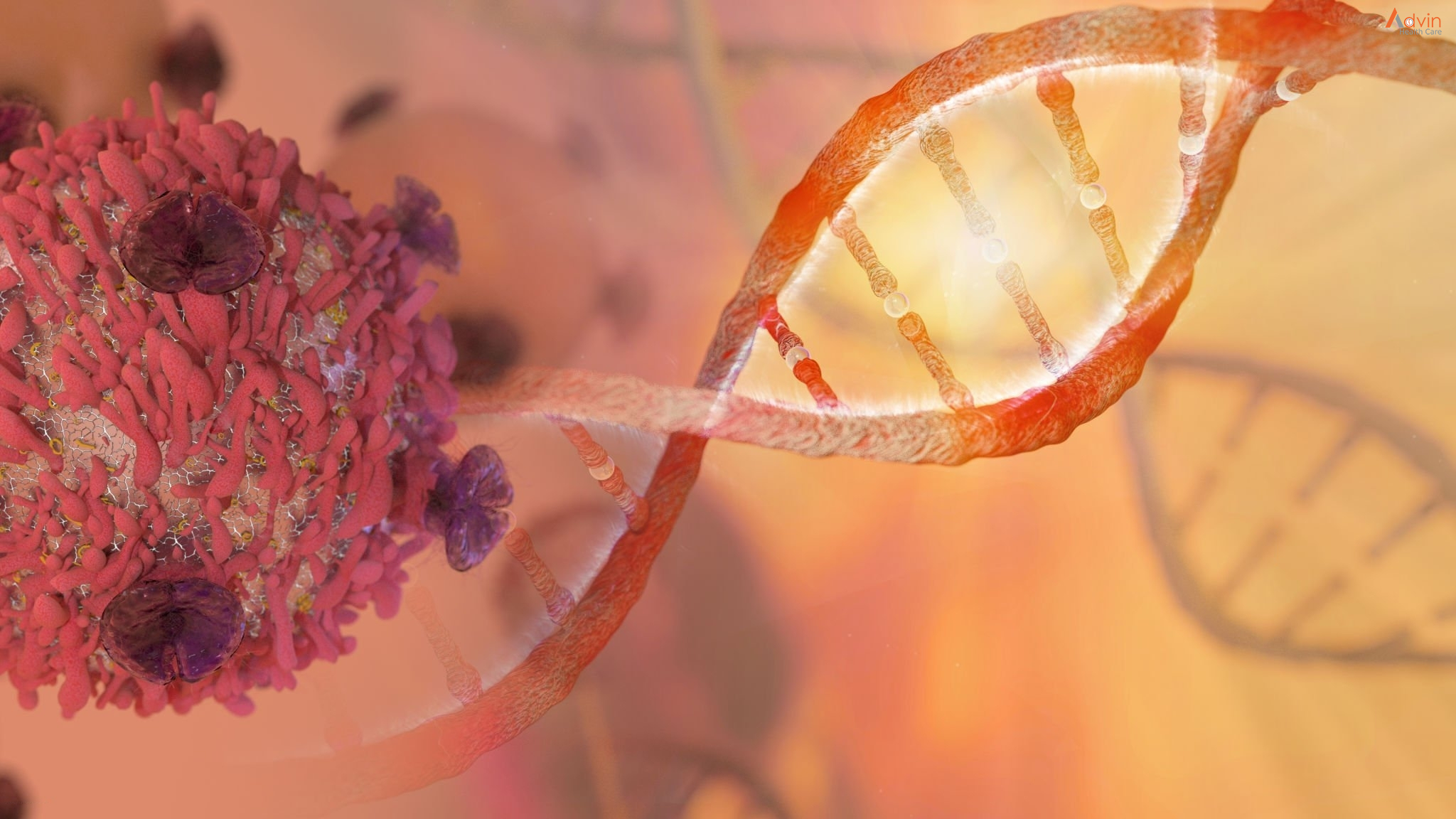
Cancer is one of the most complex diseases affecting humans, and yet the question many people ask is surprisingly simple: how does cancer start, grow, and spread in the body? Understanding this process can feel overwhelming—like trying to follow a storm forming from a single cloud. But when broken down step by step, the biology of cancer becomes clearer and far less mysterious.
In this comprehensive guide, we’ll walk through how cancer starts, grows, and spreads, using clear language, real science, and practical explanations—so you can understand what’s happening inside the body and why early detection and expert care matter so much.
What Is Cancer, Really?
At its core, cancer is a disease of uncontrolled cell division. Our bodies are made up of trillions of cells, and each cell follows strict rules about when to grow, divide, rest, and die. Cancer begins when some of those rules are broken.
Normally, damaged or old cells self-destruct through a process called apoptosis. Cancer cells ignore this command. Instead of dying, they continue dividing—crowding out healthy cells and disrupting normal organ function.
How Cancer Starts: The First Cellular Mistake
Cancer does not start all at once. It begins silently, often years or even decades before symptoms appear.
Gene Mutations: The Spark That Starts Cancer
Cancer starts when gene mutations occur in a cell’s DNA. These mutations may:
- Activate growth-promoting genes (oncogenes)
- Disable growth-suppressing genes (tumor suppressor genes)
- Damage DNA repair genes
These changes can be inherited or acquired over time.
Common Causes of DNA Damage
- Smoking and alcohol
- Radiation (UV rays, X-rays)
- Chemical exposure
- Chronic inflammation
- Certain infections (HPV, hepatitis)
This early phase is known as initiation, the first stage of carcinogenesis.
Carcinogenesis: The Three Stages of Cancer Development
Scientists describe cancer development as a multi-step process called carcinogenesis, which includes three main stages:
Initiation
- DNA damage occurs
- The mutation is permanent
- No symptoms are present
Promotion
- Mutated cells begin to multiply
- Growth is driven by hormones, inflammation, or lifestyle factors
- Still reversible in some cases
Progression
- Cells become more aggressive
- Tumors grow, invade nearby tissue, and may spread
- Cancer becomes clinically detectable
This explains why cancer often develops slowly—and why prevention and screening are so effective.
From One Cell to a Tumor: How Cancer Grows
After initiation, cancer cells begin to divide uncontrollably.
Uncontrolled Cell Division Explained
Normal cells divide only when needed. Cancer cells:
- Ignore stop signals
- Divide endlessly
- Accumulate more mutations over time
This leads to a growing mass of abnormal cells known as a tumor.
Benign vs Malignant Tumors
- Benign tumors grow locally and do not spread
- Malignant tumors invade surrounding tissue and can spread to distant organs
Only malignant tumors are considered cancer.
Tumor Growth Stages Inside the Body
Cancer growth typically follows a predictable pattern:
- Hyperplasia – increased number of normal-looking cells
- Dysplasia – abnormal cells with disorganized structure
- Carcinoma in situ – cancer cells confined to original tissue
- Invasive cancer – cells break through tissue boundaries
Detecting cancer at the carcinoma in situ stage often leads to excellent outcomes.
The Tumor Microenvironment: Cancer’s Support System
Cancer doesn’t grow alone. It creates a supportive ecosystem called the tumor microenvironment, made up of:
- Blood vessels
- Immune cells
- Inflammatory signals
- Growth factors
This environment helps cancer survive, hide from the immune system, and resist treatment.
Think of it like weeds altering the soil so only they can thrive.
Angiogenesis: How Tumors Create Their Own Blood Supply
Tumors cannot grow beyond about 1–2 millimeters without oxygen. To grow larger, cancer cells release signals that trigger angiogenesis—the formation of new blood vessels.
These blood vessels:
- Feed the tumor with oxygen and nutrients
- Provide escape routes for cancer cells to spread
Angiogenesis is a major target of modern cancer therapies.
How Cancer Spreads: Understanding Metastasis
Metastasis is the process by which cancer spreads from its original site to other parts of the body. This is what makes cancer life-threatening.
Steps of Metastasis
- Cancer cells detach from the primary tumor
- They invade nearby tissue
- Enter blood or lymphatic vessels
- Travel to distant organs
- Form new tumors (secondary cancers)
Common metastatic sites include the liver, lungs, bones, and brain.
Why Metastatic Cancer Is Harder to Treat
Metastatic cancer cells:
- Are genetically diverse
- Adapt quickly to new environments
- Often resist chemotherapy
This is why early diagnosis—before metastasis—dramatically improves survival.
More Than 100 Types of Cancer: Why Each Behaves Differently
There are over 100 distinct cancer types, each defined by:
- Cell of origin
- Genetic mutations
- Growth speed
- Spread pattern
For example:
- Breast cancer spreads differently than lung cancer
- Blood cancers behave differently from solid tumors
That’s why personalized oncology care is essential.
Why Early Detection Saves Lives
Late detection is one of the biggest reasons cancer remains deadly. Many cancers are highly treatable when found early—but dangerous once advanced.
If you’re concerned about symptoms or cancer risk, consulting a
Cancer Specialist in Dubai
can help with early evaluation, screening, and peace of mind.
Cancer Treatment Depends on How It Grows and Spreads
Understanding how cancer starts, grows, and spreads helps doctors choose the right treatment, such as:
- Surgery (local disease)
- Chemotherapy (systemic disease)
- Radiation therapy (targeted control)
- Immunotherapy (immune activation)
- Targeted therapy (genetic precision)
For expert, individualized care, speak with an experienced Oncologist in Dubai
who can guide treatment based on cancer biology—not guesswork.
Why Choose Expert Cancer Care in Dubai?
Why patients trust Dr. Rajeev Kaushal
- Deep expertise in cancer biology and modern treatments
- Patient-focused, evidence-based approach
- Emphasis on early diagnosis and prevention
- Advanced diagnostic and therapeutic options
Choosing the right specialist can change the entire cancer journey.
Call to Action: Don’t Ignore the Early Signs
Cancer often whispers before it screams. Understanding how cancer develops empowers you to act early—before the disease gains momentum.
Book a consultation for cancer treatment in Dubai today and take control of your health with expert guidance.
Frequently Asked Questions
Q1. How does cancer start in the body?
Cancer starts when gene mutations cause cells to grow uncontrollably instead of following normal life cycles.
Q2. How long does cancer take to develop?
It can take years or decades from the first mutation to detectable cancer.
Q3. What is metastasis in cancer?
Metastasis is the spread of cancer cells from the original tumor to other organs.
Q4. Can cancer spread without symptoms?
Yes. Many cancers spread silently before symptoms appear.
Q5. Is cancer always caused by genetics?
No. Most cancers are caused by acquired mutations from lifestyle and environmental factors.
Conclusion
So, how does cancer start, grow, and spread in the body? It begins with tiny DNA changes, grows silently through uncontrolled division, recruits blood vessels and support systems, and—if unchecked—spreads to distant organs through metastasis. While this process is complex, it is not unstoppable. Early detection, prevention, and expert oncology care make a life-saving difference.