
Hormonal Therapy for Cancer: How It Helps Patients Live Better
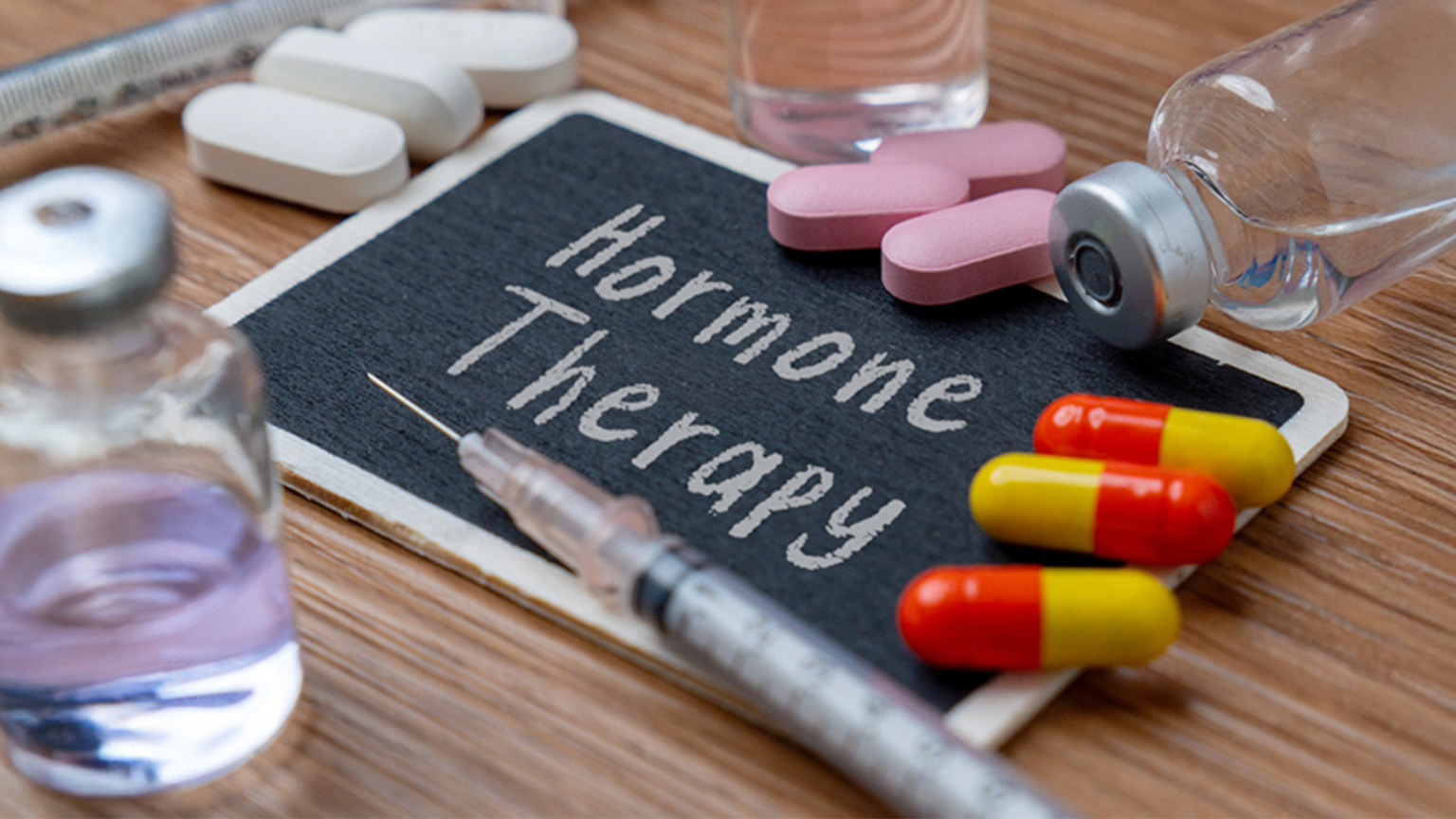
Introduction to Hormone Therapy Cancer
Cancer treatment isn’t just about eliminating disease—it’s also about helping patients live better, longer, and with dignity. Among the many treatment options available today, hormone therapy cancer has emerged as a powerful and often less aggressive approach, especially for hormone-sensitive cancers like breast and prostate cancer.
At Dr. Rajeev Kaushal’s clinic, patients seeking advanced hormonal therapy in Dubai benefit from personalized care tailored to their specific cancer type. If you’re exploring treatment options, you can learn more about hormonal therapy in Dubai and how it supports long-term cancer management while maintaining quality of life.
Why Hormone-Based Treatments Matter
Think of certain cancers as plants that thrive on specific nutrients—in this case, hormones like estrogen or testosterone. Hormonal therapy works by cutting off that supply, effectively slowing or stopping cancer growth. It’s a targeted, strategic approach rather than a blanket attack.
What is Hormone Therapy Cancer?
Definition and Key Concept
So, what is hormone therapy cancer? It’s a treatment that either blocks the body’s natural hormones or lowers their levels to prevent cancer cells from growing.
This approach is particularly effective for cancers that are hormone receptor-positive, meaning they rely on hormones to grow.
Hormone Receptor-Positive Cancer Explained
In hormone-sensitive cancers, cells have receptors that bind to hormones like estrogen or progesterone. When these hormones attach, they act like a “green light” for cancer growth.
Hormonal therapy essentially turns that light red.
How Hormonal Therapy Works
Blocking Estrogen and Progesterone
One of the main strategies is to block estrogen/progesterone, preventing them from fueling cancer cells. Drugs like tamoxifen attach to receptors, stopping hormones from binding.
Slowing or Stopping Cancer Growth
Other treatments reduce hormone production altogether. Without these hormones, cancer cells lose their ability to grow and divide rapidly.
It’s like removing the fuel from a fire—it gradually dies down.
Types of Hormonal Therapy
Tamoxifen and Selective Estrogen Receptor Modulators
Tamoxifen is one of the most well-known treatments for hormonal therapy breast cancer. It works by blocking estrogen receptors in breast tissue.
Aromatase Inhibitors
These drugs reduce estrogen levels in the body and are commonly used in postmenopausal women. They are highly effective in preventing cancer recurrence.
Hormonal Therapy Breast Cancer
Why It’s Commonly Used
Hormonal therapy is a cornerstone in treating hormonal therapy breast cancer because many breast cancers are hormone receptor-positive.
Clinical data shows:
- 40–50% reduction in recurrence risk
- 30–40% reduction in mortality
- 85–90% disease-free survival at 5 years
These numbers highlight just how impactful this treatment can be.
Benefits of Hormone Therapy Cancer
Reduces Recurrence Risk
One of the biggest advantages is its ability to significantly reduce the chances of cancer returning. This makes it a critical part of long-term treatment.
Improves Survival Rates
Patients undergoing hormonal therapy often experience better survival outcomes, especially when treatment begins early.
Hormonal Therapy for Other Cancers
While breast cancer is the most common, hormonal therapy is also used for:
- Prostate cancer
- Endometrial cancer
Each type uses a slightly different approach depending on the hormones involved.
Side Effects and Management
Like any treatment, hormonal therapy has side effects, including:
- Hot flashes
- Mood changes
- Fatigue
However, these are generally milder compared to chemotherapy. Doctors can also provide strategies to manage these symptoms effectively.
Who is Eligible for Hormonal Therapy?
Eligibility depends on whether the cancer is hormone receptor-positive. Tests are conducted to determine this before starting treatment.
Hormonal Therapy vs Chemotherapy
The difference is like using a scalpel versus a hammer. Chemotherapy attacks all rapidly dividing cells, while hormonal therapy targets specific pathways.
This makes hormonal therapy:
- More precise
- Less toxic
- Easier to tolerate
Quality of Life Improvements
One of the most overlooked benefits is improved quality of life. Patients often continue their daily routines with minimal disruption.
In metastatic cases, combining hormonal therapy with newer drugs can extend progression-free survival to 24–30 months, giving patients more time with better health.
Hormonal Therapy in Dubai e
Availability and Advanced Care
Access to hormonal therapy in Dubai has improved significantly, with advanced oncology centers offering personalized treatment plans.
Patients benefit from modern diagnostics, experienced specialists, and evidence-based care aligned with global standards.
What to Expect During Treatment
Treatment may involve:
- Daily oral medication
- Periodic injections
- Regular follow-ups
It’s a long-term approach, often lasting several years to ensure effectiveness.
Why Choose Dr. Rajeev Kaushal
Choosing the right specialist is crucial. At Dr. Rajeev Kaushal’s clinic, patients receive:
- Personalized treatment strategies
- Expertise in hormone-based therapies
- Compassionate, patient-focused care
Explore advanced hormonal therapy in Dubai and experience a treatment approach designed around your needs.
Call to Action: Consult a Specialist
If you or a loved one is dealing with hormone-sensitive cancer, don’t wait. Early intervention can make a life-changing difference.
Consult an experienced oncologist today to explore your treatment options and start your journey toward better health.
Frequently Asked Questions
Q1. What is hormone therapy cancer?
It’s a treatment that blocks or lowers hormones to stop cancer growth.
Q2. Is hormonal therapy only for breast cancer?
No, it’s also used for prostate and other hormone-sensitive cancers.
Q3. What are the main benefits?
PReduced recurrence risk, improved survival, and better quality of life.
Q4. Are side effects severe?
Usually mild compared to chemotherapy.
Q5. How long does treatment last?
Often several years, depending on the cancer type.
Q6. Can hormonal therapy cure cancer?
It helps control and reduce recurrence but may not always cure it.
Q7. Is hormonal therapy safe?
Yes, when monitored by a specialist.
Q8. Who should consider hormonal therapy?
Patients with hormone receptor-positive cancers.
Q9. Does it affect fertility?
It may, depending on the treatment type.
Q10. Is hormonal therapy available in Dubai?
Yes, advanced oncology centers offer it widely.
Conclusion
Hormonal therapy is more than just a treatment—it’s a pathway to better living for many cancer patients. By targeting the root drivers of hormone-sensitive cancers, it offers a balance between effectiveness and quality of life.
Understanding your options empowers you to take control, make informed decisions, and move forward with confidence.