
Cervical Screening: How Pap Smear and HPV Tests Prevent Cervical Cancer
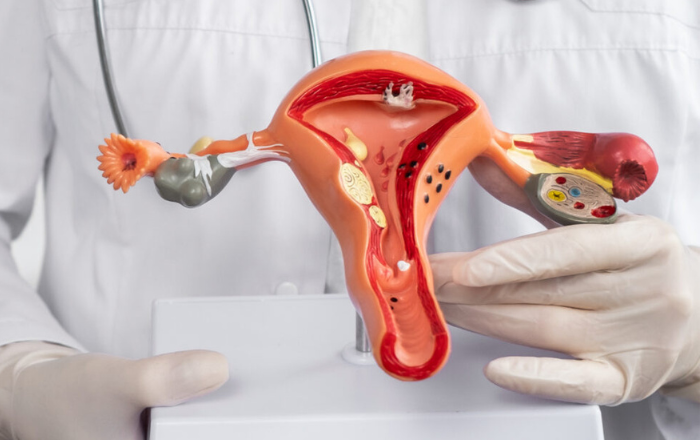
Cervical cancer is one of the few cancers that can often be prevented before it even begins. That may sound remarkable, but modern cervical screening tools like the Pap smear and HPV test have transformed women’s healthcare worldwide. These simple tests act like an early warning system, identifying abnormal cervical changes before they become dangerous.
At Dr. Rajeev Kaushal’s practice, women can access advanced cervical screening Dubai services focused on early detection and preventive oncology care. Whether you need a routine Pap smear, HPV screening, or expert guidance on cervical health, timely testing can make all the difference.
Understanding Cervical Screening
What Is Cervical Screening?
Cervical screening refers to medical tests used to detect abnormal changes in cervical cells that may lead to cervical cancer. The two primary screening methods are:
- Pap smear (Pap test)
- HPV test
These tests help identify precancerous conditions early, long before symptoms appear.
Unlike traditional treatment approaches that focus solely on curing disease, palliative care addresses the whole person — mind, body, and spirit.
According to the World Health Organization (WHO), palliative care improves the quality of life of patients and their families facing life-threatening illnesses through early identification and treatment of pain and other issues.
Why Cervical Cancer Screening Matters
Cervical cancer often develops slowly over time. In many cases, abnormal cells appear years before cancer forms. Regular cervical cancer screening helps doctors identify and treat these changes early.
According to the CDC, screening can prevent cervical cancer or detect it early when treatment is most effective.
How Pap Smear Detects Precancerous Changes
A Pap smear collects cells from the cervix to check for abnormalities. Think of it like inspecting cracks in a wall before the entire structure weakens. Detecting abnormal cells early allows doctors to intervene before cancer develops.
The pap smear test Dubai service is commonly recommended for women beginning at age 21.
Pap Smear Procedure Explained
The procedure is quick and usually takes only a few minutes:
- A speculum gently opens the vaginal canal.
- A small brush collects cervical cells.
- The sample is sent to a laboratory for analysis.
Most women experience only mild discomfort.
What Is an HPV Test?
Understanding Human Papillomavirus (HPV)
Human papillomavirus (HPV) is a common virus transmitted through skin-to-skin contact. Certain high-risk HPV strains are responsible for most cervical cancer cases.
Research shows HPV is linked to approximately 99.7% of cervical cancers.
How HPV Testing Helps Prevent Cervical Cancer
An HPV test Dubai screening checks for high-risk HPV strains that may cause abnormal cervical cell changes.
Unlike a Pap smear, which identifies abnormal cells, HPV testing identifies the virus responsible for those changes.
Pap Smear and HPV Test Difference
What Each Test Detects
| Test | Purpose |
|---|---|
| Pap Smear | Detects abnormal cervical cells |
| HPV Test | Detects high-risk HPV infection |
Why Co-Testing Is Important
Many specialists now recommend co-testing, which combines Pap smear and HPV testing for more accurate cervical cancer screening.
Co-testing improves the chances of early detection and lowers the risk of missed abnormalities.
How Cervical Screening Prevents Cancer
Early Detection Saves Lives
Cervical cancer rarely develops overnight. Screening identifies warning signs early, allowing treatment before cancer spreads.
This proactive approach significantly improves outcomes and survival rates.
Screening for Cervical Precancer
Precancerous cervical changes can often be treated with minimally invasive procedures, preventing progression to cancer entirely.
According to the National Cancer Institute, regular screening remains one of the most effective cervical cancer prevention strategies.
Who Should Get Cervical Screening?
Screening Guidelines by Age
General recommendations include:
- Ages 21–29: Pap smear every 3 years
- Ages 30–65: HPV testing or co-testing every 5 years
- Over 65: Screening may stop depending on previous results
Risk Factors That Require Closer Monitoring
Women may require more frequent cervical cancer screening if they have:
- Previous abnormal Pap smears
- HPV infection
- Weakened immune systems
- Smoking history
- Family history of cervical cancer
When to Get a Pap Smear or HPV Test
Recommended Screening Intervals
Routine screening schedules depend on age, risk level, and previous test results.
Your doctor may personalize screening frequency based on your health profile.
Updated Cervical Screening Guidelines
Modern screening guidelines increasingly emphasize hrHPV testing for women aged 30 to 65 because of its strong predictive value.
Patient-collected HPV testing is also becoming an emerging option in some healthcare systems.
Symptoms That Should Never Be Ignored
Even with regular cervical screening, women should seek medical attention for symptoms such as:
- Unusual vaginal bleeding
- Bleeding after intercourse
- Pelvic pain
- Abnormal discharge
- Pain during intercourse
These symptoms do not always indicate cancer, but they should never be ignored.
Benefits of Early Detection of Cervical Cancer
Early detection provides several advantages:
- Higher treatment success rates
- Less invasive treatments
- Better fertility preservation
- Reduced healthcare costs
- Improved survival outcomes
When detected early, cervical cancer is often highly treatable.
Cervical Screening During and After HPV Vaccination
Many women believe HPV vaccination eliminates the need for screening. However, vaccinated individuals still require routine cervical cancer screening.
Why? Because vaccines do not protect against every HPV strain associated with cervical cancer.
What Happens If Results Are Abnormal?
Follow-Up Tests
Abnormal results may require additional testing, including:
- Repeat Pap smears
- HPV genotyping
- Colposcopy
Colposcopy and Biopsy
A colposcopy allows doctors to examine cervical tissue closely and collect biopsies if necessary.
These procedures help determine whether abnormal cells require treatment.
Common Myths About Pap Smears and HPV Tests
“I Don’t Need Screening Without Symptoms”
False. Cervical abnormalities often develop silently without noticeable symptoms.
“HPV Means Cancer”
Not necessarily. Many HPV infections clear naturally without causing cancer.
“Pap Smears Are Painful”
Most women experience only minor discomfort during the test.
Preparing for Your Cervical Screening Appointment
To ensure accurate results:
- Avoid intercourse 24–48 hours before testing
- Avoid vaginal medications before screening
- Schedule tests outside your menstrual cycle if possible
Simple preparation can improve test accuracy.
Call to Action – Prioritize Your Cervical Health Today
Your health deserves proactive care, not delayed attention. Early cervical screening can detect abnormalities before they become life-threatening.
Book your advanced pap smear test Dubai or HPV test Dubai consultation today
Why Choose Dr. Rajeev Kaushal for Cervical Screening Dubai?
Women seeking reliable cervical cancer screening benefit from expert oncology guidance and patient-focused care.
Reasons patients trust Dr. Rajeev Kaushal include:
- Advanced cervical cancer screening methods
- Personalized preventive oncology care
- Compassionate patient-centered approach
- Early detection expertise
- Comprehensive oncology consultation
- Focus on women’s long-term health
Learn more about trusted cervical screening Dubai services.
Conclusion
Cervical cancer prevention begins with awareness, routine screening, and timely medical care. Pap smears and HPV tests serve as powerful tools that help identify abnormal changes early — often before cancer develops.
By prioritizing regular cervical screening, women can take control of their health and significantly reduce their risk of cervical cancer. With expert support, early detection, and preventive care, healthier outcomes become far more achievable.
FAQs (Voice Search Optimized)
Q1. What is the difference between a Pap smear and HPV test?
A Pap smear detects abnormal cervical cells, while an HPV test identifies high-risk HPV infections that may lead to cervical cancer.
Q2. How often should women get cervical screening?
Screening frequency depends on age and risk factors, but many women benefit from testing every 3–5 years.
Q3. Can cervical screening prevent cancer?
Yes. Cervical screening identifies precancerous changes early, allowing treatment before cancer develops.
Q4. Is HPV testing painful?
HPV testing is generally quick and causes minimal discomfort.
Q5. At what age should cervical cancer screening begin?
Most guidelines recommend starting Pap smear screening at age 21.