
How Smoking and Alcohol Increase Cancer Risk
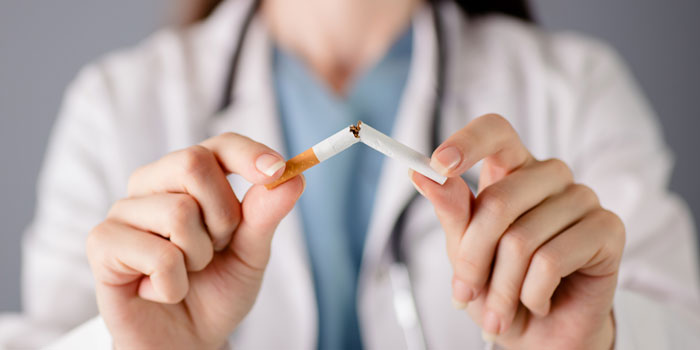
Lighting a cigarette or pouring a drink may feel routine for many people—but beneath these everyday habits lies a powerful and well-documented cancer risk. Decades of scientific research have confirmed that smoking and alcohol are two of the most preventable causes of cancer worldwide, and when combined, their effects don’t just add up—they multiply. Think of smoking and alcohol like two sparks landing on dry grass: alone they’re dangerous, together they ignite a wildfire. In this in-depth guide, we’ll unpack how smoking and alcohol increase cancer risk, the science behind the damage, the cancers most affected, and—most importantly—what you can do to protect yourself.
Understanding Cancer Risk: Why Lifestyle Choices Matter
Cancer doesn’t usually appear overnight. It develops quietly over years as cells accumulate damage. Lifestyle factors play a major role in this process. According to the World Health Organization (WHO), up to 40% of cancers are preventable, largely by avoiding tobacco, limiting alcohol, maintaining a healthy weight, and staying physically active.
Among all lifestyle risks, tobacco smoking remains the leading cause of cancer, while alcohol consumption is the third most common preventable cause after tobacco and obesity. When these two habits coexist, the danger rises sharply—especially for cancers of the mouth, throat, esophagus, and liver.
How Smoking Causes Cancer: What Happens Inside the Body
Cigarette smoke contains more than 7,000 chemicals, and at least 70 are known carcinogens. When you inhale smoke, these chemicals enter your bloodstream and reach nearly every organ.
Key mechanisms of tobacco-related cancer
The most common and important symptom of bladder cancer is blood in the urine, also known as hematuria. It may:
- DNA damage: Carcinogens directly mutate DNA, leading to uncontrolled cell growth
- Chronic inflammation: Smoking irritates tissues, creating an environment where cancer thrives
- Immune suppression: The body becomes less effective at detecting and destroying abnormal cells
Smoking is strongly linked to cancers of the:
- Lungs
- Mouth and throat
- Esophagus
- Bladder
- Pancreas
- Cervix
- Colorectum
In the GCC region, studies show that tobacco smoking accounts for over 16% of all cancer cases, with lung cancer leading the list—particularly among men.
How Alcohol Increases Cancer Risk
Alcohol is often underestimated as a cancer risk factor, but the science is clear. When your body breaks down alcohol, it produces acetaldehyde, a toxic compound that damages DNA and prevents cells from repairing themselves.
Alcohol-related cancer pathways
- Acetaldehyde-induced DNA damage
- Increased estrogen levels, raising breast cancer risk
- Oxidative stress, leading to cellular injury
- Nutrient depletion, especially folate, which protects DNA
Even moderate drinking increases the risk of:
- Mouth and throat cancer
- Esophageal cancer
- Liver cancer
- Breast cancer
- Colorectal cancer
According to the American Cancer Society, there is no completely safe level of alcohol when it comes to cancer prevention.
Smoking and Drinking Together: A Dangerous Synergy
Here’s where the risk becomes truly alarming. Smoking and alcohol don’t just work independently—they amplify each other’s harmful effects.
Alcohol acts as a solvent, making it easier for tobacco carcinogens to penetrate cells lining the mouth, throat, and esophagus. At the same time, smoking slows the breakdown of acetaldehyde, allowing it to linger longer in the body.
Shocking statistic
People who both smoke and drink heavily are up to 15 times more likely to develop cancers of the mouth, throat, or esophagus than people who do neither.
This synergy explains why head and neck cancers are particularly common in individuals with combined tobacco and alcohol use.
Cancers Most Strongly Linked to Smoking and Alcohol
Head and Neck Cancers
Includes cancers of the:
- Mouth
- Tongue
- Throat
- Voice box (larynx)
Over 70% of head and neck cancers are linked to tobacco and alcohol use.
Esophageal Cancer
One of the clearest examples of synergy—combined use dramatically increases risk.
Liver Cancer
Alcohol causes cirrhosis, while smoking adds carcinogenic stress, accelerating malignant transformation.
Bladder Cancer
Smoking is the primary risk factor; alcohol may worsen risk indirectly through toxic metabolites.
Colorectal Cancer
Both habits independently increase risk, with stronger effects when combined.
Cancer Risk in the UAE and GCC: Why This Matters Locally
In the UAE:
- Smoking prevalence is ~37.4% in men and 8.6% in women
- Male lung cancer rates are significantly higher due to tobacco exposure
- Bladder and colorectal cancers are among the most common smoking-related cancers
These trends highlight why early prevention, screening, and expert oncology care are so important in the region.
If you’re concerned about your cancer risk or need expert guidance, consult a
Cancer Specialist in Dubai
to discuss personalized prevention and screening strategies.
to discuss personalized prevention and screening strategies.
Does Quitting Really Reduce Cancer Risk? Absolutely.
Here’s the good news: the body begins healing almost immediately after quitting.
Risk reduction timeline
- 20 minutes: Heart rate and blood pressure drop
- 1 year: Risk of coronary heart disease is cut in half
- 5 years: Risk of mouth, throat, and esophageal cancer drops significantly
- 10 years: Lung cancer death risk is about 50% lower than a smoker’s
Reducing or eliminating alcohol further lowers the risk, especially for breast and liver cancers.
Secondhand Smoke and Cancer Risk
You don’t have to smoke to be harmed by tobacco. Secondhand smoke exposure increases the risk of:
- Lung cancer in non-smokers
- Childhood cancers
- Heart disease
This makes quitting not just a personal decision—but a protective one for your family.
Prevention Strategies That Actually Work
Actionable steps to lower your cancer risk
- Quit smoking completely (not just “cutting down”)
- Limit or avoid alcohol consumption
- Eat a diet rich in fruits, vegetables, and whole grains
- Maintain a healthy body weight
- Get regular cancer screenings
Support from a qualified oncologist can make lifestyle changes more effective and sustainable.
When Should You See a Cancer Doctor?
You should consult a cancer doctor if you:
- Are a current or former smoker
- Drink alcohol regularly
- Have persistent symptoms like blood in urine, chronic cough, or unexplained weight loss
- Have a family history of cancer
For expert evaluation and preventive oncology care, consider speaking with a
Cancer Doctor in Dubai
for guidance tailored to your risk profile.
Why Choose Expert Oncology Care in Dubai?
Why patients trust Dr. Rajeev Kaushal
Choosing the right oncologist can be as important as the treatment itself. Patients trust Dr. Rajeev Kaushal for:
- Extensive experience in evidence-based oncology
- Patient-centered, preventive-focused approach
- Access to modern diagnostics and treatment protocols
- Emphasis on education, early detection, and long-term wellness
Choosing the right oncologist can make all the difference—not just in treatment, but in prevention.
Call to Action : Take Control of Your Cancer Risk Today
Smoking and alcohol-related cancers are largely preventable—but only if action is taken early. Whether you want help quitting, need screening advice, or simply want peace of mind, professional guidance matters.
Book a consultation with a trusted cancer specialist in Dubai today and take the first step toward a healthier future.
Frequently Asked Questions
Q1. Does smoking and drinking really cause cancer?
Yes. Both independently increase cancer risk, and together they multiply the risk—especially for head, neck, and esophageal cancers.
Q2. Is light or occasional drinking safe?
No level of alcohol is completely cancer-safe, though risk increases with higher consumption.
Q3. Which cancer is most linked to smoking?
Lung cancer is most strongly associated, but smoking also causes bladder, pancreatic, and colorectal cancers.
Q4. Can quitting smoking reverse cancer risk?
Risk decreases significantly over time after quitting, though it may not return fully to baseline.
Q5. Should former smokers still see an oncologist?
Yes. Former smokers benefit from screening, risk assessment, and preventive care.
Conclusion
The link between smoking, alcohol, and cancer is no longer a matter of debate—it’s a matter of choice. Tobacco fills the body with carcinogens. Alcohol turns into DNA-damaging toxins. Together, they create one of the most powerful cancer-causing combinations known to medicine. The encouraging truth? Quitting works. Prevention works. Early guidance works. Your future health is still very much in your hands.