
Skin Cancer Explained: What Causes It, How to Prevent It, and Which Treatments Actually Work
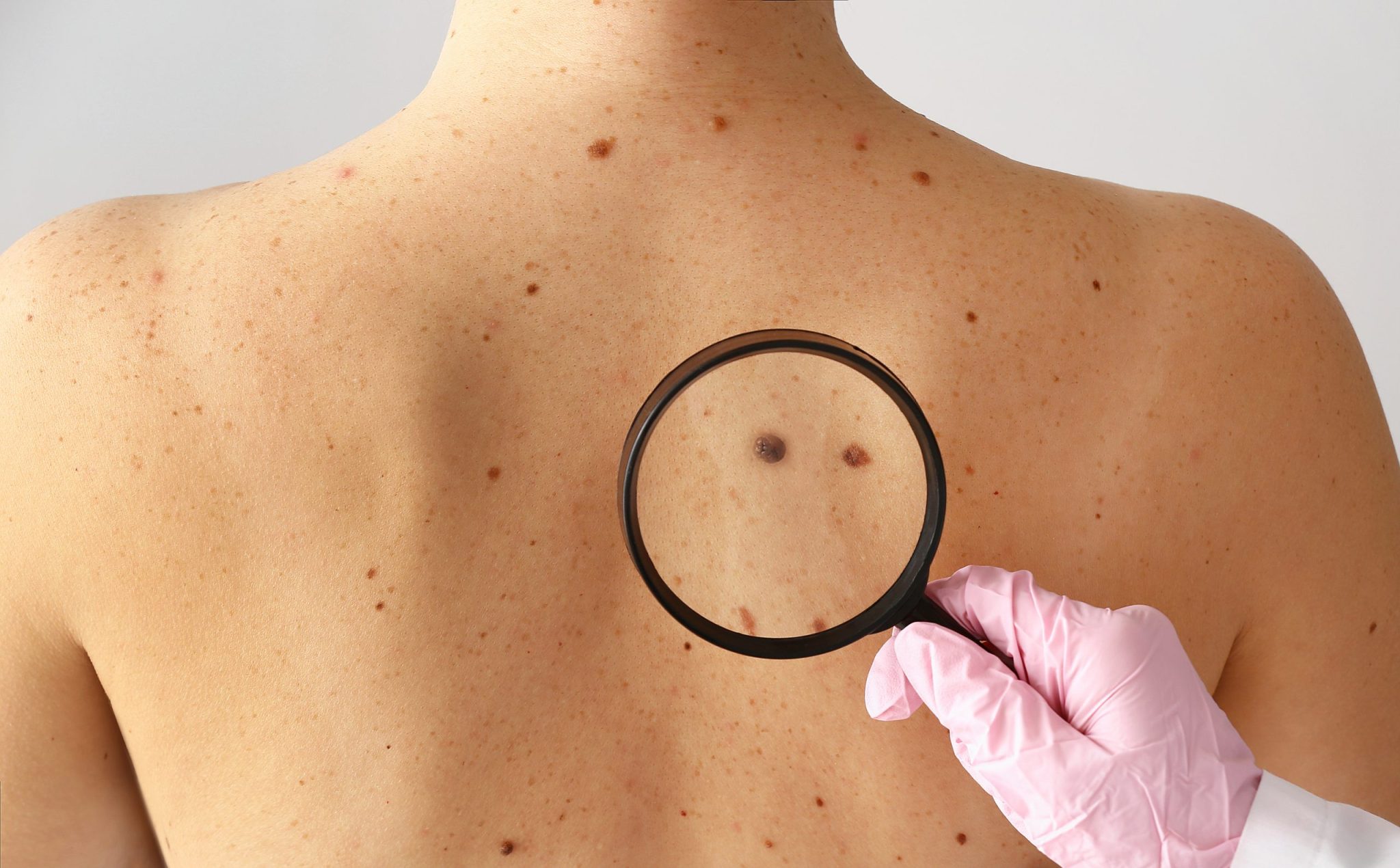
Skin cancer is often spoken about casually, yet it is the most common cancer worldwide. Many people assume it’s harmless or purely cosmetic. That belief leads to delays — and delays are where problems begin.
As Dr. Rajeev Kaushal, widely regarded as a best oncologist in Dubai foften explains to patients, skin cancer is usually very treatable when caught early, but it should never be ignored
Why Skin Cancer Is So Common — And Often Missed
Unlike many cancers, skin cancer develops in plain sight. Still, people overlook early changes because lesions are painless, slow-growing, or mistaken for normal aging.
Non-melanoma skin cancers (basal and squamous cell) are 18–20 times more common than melanoma, which explains why many patients are surprised by a diagnosis
What Actually Causes Skin Cancer?
UV radiation is the main cause
Ultraviolet (UV) radiation from sunlight and tanning beds damages skin cell DNA. Over time, that damage builds up and leads to cancer.
According to data published by the World Health Organization, UV exposure is the strongest risk factor for all major skin cancers, including melanoma
Other important risk factors
- Fair skin that burns easily
- Repeated sunburns, especially in childhood
- Family history of skin cancer
- A weakened immune system
Sun damage is cumulative. What happens in your teens can matter in your 60s.
Types of Skin Cancer: Not All Are the Same
Basal cell carcinoma (BCC)
BCC is the most common cancer in humans. It grows slowly and rarely spreads, but untreated lesions can damage surrounding tissue.
Squamous cell carcinoma (SCC)
SCC is more aggressive than BCC, and its incidence has been rising steadily over the past 30 years. It can spread if ignored.
Melanoma
Melanoma is less common but far more dangerous. When caught early, survival exceeds 95%, but advanced melanoma is life-threatening.
Early Warning Signs: The ABCDE Rule Explained
Doctors use the ABCDE rule to help identify suspicious moles:
- Asymmetry
- Border irregularity
- Color changes
- Diameter larger than 6 mm
- Evolving over time
Any mole that changes, bleeds, or looks different from others deserves medical attention.
Can Skin Cancer Be Prevented? What Evidence Shows
Prevention works — and it works well.
Daily sunscreen use has been shown to reduce melanoma risk by about 50%, especially when started earlier in life.
Helpful habits include:
- Using SPF 30+ daily on exposed skin
- Wearing hats and UV-protective clothing
- Avoiding peak sun hours
- Never using tanning beds
Prevention doesn’t mean avoiding life outdoors. It means protecting your skin intelligently.
How Skin Cancer Is Diagnosed
Diagnosis begins with a skin examination. If something looks suspicious, a small biopsy confirms whether cancer cells are present.
Early diagnosis matters because it often allows:
- Smaller procedures
- Better cosmetic outcomes
- Near-complete cure rates
Patients seeking skin cancer Dubai care often underestimate how much early action simplifies treatment
Treatment Options for Skin Cancer
Surgery and Mohs surgery
Mohs micrographic surgery offers the highest cure rates of all skin cancer treatments — up to 97–99% for primary basal cell carcinoma. It removes cancer layer by layer while preserving healthy skin.
Non-surgical treatments
For selected early or superficial cancers:
- Topical creams
- Cryotherapy
- Curettage
These options work well when carefully chosen.
Radiation therapy
Radiation is useful when surgery isn’t suitable, particularly for older patients or sensitive areas like the face.
Advanced Skin Cancer: Newer Treatment Choices
Immunotherapy
Immunotherapy has changed outcomes for advanced melanoma and high-risk squamous cell carcinoma by helping the immune system attack cancer cells.
Targeted therapy
Some melanomas carry specific gene mutations that respond to targeted medications. Testing helps guide treatment choices.
Recovery, Scarring, and Quality of Life
Most skin cancer treatments are outpatient procedures. Scarring depends on size, location, and technique used.
Mohs surgery offers excellent cosmetic results, with over 90% of patients reporting good to excellent appearance after healing.
When to See a Skin Cancer Specialist
You should seek specialist care if:
- A lesion is changing or bleeding
- A biopsy confirms skin cancer
- Cancer is on the face, scalp, or hands
- Cancer has returned after treatment
Many patients choose a skin cancer specialist in Dubai because treatment decisions affect both health and appearance.
Frequently Asked Questions
Q1.Is skin cancer always dangerous?
No, but all types need evaluation.
Q2. Can skin cancer be cured completely?
Yes, especially when detected early.
Q3.Does skin cancer hurt?
Often no, which is why it’s ignored.
Q4. Is melanoma always fatal?
No. Early melanoma is highly treatable.
Q5. Should I check my skin myself?
Yes, monthly checks are helpful.
A Calm Medical Perspective
If a skin change has been worrying you, speaking with an experienced cancer specialist can bring clarity and reassurance. A thoughtful discussion with a trusted best oncologist in Duba
helps patients understand risks, options, and next steps — without pressure