
How Prostate Cancer Is Treated Today: What Options Really Work and Why
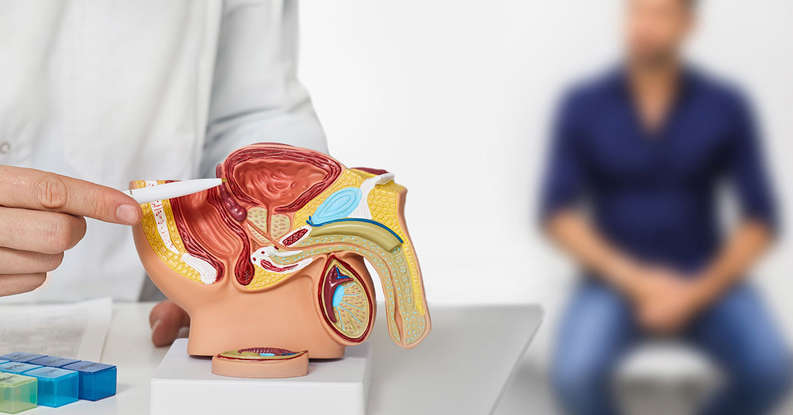
Hearing the words “you have prostate cancer” often creates urgency and fear. Many men assume treatment must start immediately. In reality, prostate cancer behaves very differently from person to person, and treatment decisions are rarely rushed.
IAs Dr. Rajeev Kaushal, often recognized as the
best oncologist in Dubai explains to patients, prostate cancer is one of the few cancers where doing less can sometimes be the safest option
Why Prostate Cancer Treatment Is Not One-Size-Fits-All
Nearly 70% of prostate cancers are diagnosed at an early, localized stage, where cure rates approach 100%. That means there is time to choose carefully rather than react out of fear
Some tumors grow so slowly they may never cause harm. Others behave aggressively and need early, combined treatment. The difference lies in how the cancer looks under the microscope and how fast it’s growing.
How Doctors Decide on the Right Treatment
Stage, PSA, and Gleason score
Doctors look at:
- PSA level (how active the cancer is)
- Gleason score (how aggressive the cells look)
- Stage (confined to prostate or spread beyond)
These factors help classify cancer as low, intermediate, or high risk.
Age and overall health
A healthy 55-year-old and a 78-year-old with heart disease may receive very different recommendations—even with similar cancer findings.
Active Surveillance: When Immediate Treatment Is Not Needed
Who qualifies
Men with low-risk prostate cancer often qualify for active surveillance. This approach avoids treatment side effects while keeping cancer under close watch.
How monitoring works
Monitoring includes:
- Regular PSA tests
- Periodic imaging
- Repeat biopsies when needed
About 50% of men on active surveillance never need surgery or radiation without higher cancer death rates
This matters because it helps many men preserve urinary and sexual function.
Surgery for Prostate Cancer: Removing the Prostate
Robotic-assisted vs open surgery
Most prostate surgeries today use robotic-assisted techniques. Studies show similar cancer control compared to open surgery, with:
- Less blood loss
- Faster recovery
- Better early urinary control
What recovery looks like
Temporary urinary leakage is common but improves in most men within months. Long-term cancer control is excellent when cancer is confined to the prostate.
Men exploring prostate cancer treatment in Duba often ask whether surgery is necessary. The answer depends on risk category, not fear
Radiation Therapy: Treating Cancer Without Surgery
External beam radiation
Radiation targets cancer cells while sparing nearby tissue. Cure rates are similar to surgery for localized disease.
Brachytherapy
This involves placing radioactive seeds directly in the prostate. It’s suitable for selected low- and intermediate-risk patients.
Studies show surgery and radiation have equal survival outcomes for early-stage prostate cancer, making quality of life a major deciding factor
Hormone Therapy (ADT): Slowing Cancer Growth
Why hormones matter
Prostate cancer feeds on testosterone. Hormone therapy lowers testosterone levels, slowing cancer growth.
When it’s used
ADT is often combined with radiation or chemotherapy in advanced disease. A large trial showed that adding chemotherapy to hormone therapy improved survival by
around 10 months in metastatic cancer
Side effects
Common effects include:
- Hot flashes
- Fatigue
- Bone thinning
These are monitored and managed proactively.
Advanced and Metastatic Prostate Cancer Treatments
PSMA-targeted therapy
New treatments use PSMA a marker on prostate cancer cells, to deliver targeted radiation. FDA approvals have expanded access, helping patients live longer with better symptom control
PARP inhibitors
Men with BRCA or DNA-repair mutations may benefit from targeted tablets that slow cancer growth. Genetic testing now plays a bigger role in treatment planning.
Side Effects and Quality of Life
Each treatment affects life differently:
- Surgery may affect continence early
- Radiation can cause bowel or urinary irritation
- Hormone therapy affects energy and metabolism
Most side effects improve with time and support. Honest discussion matters more than promises.
How Treatment Decisions Are Made Together
Research shows nearly 90% of men want shared decision-making rather than being told what to do. Good care means:
- Explaining choices clearly
- Discussing trade-offs
- Respecting personal priorities
This is where experience matters most.
FAQs About Prostate Cancer Treatment
Q1. Is prostate cancer always treated immediately?
No. Many low-risk cases are safely monitored.
Q2. Is surgery better than radiation?
Neither is “better” overall; outcomes depend on cancer type and patient goals.
Q3. Can prostate cancer be cured?
Yes, especially when found early.
Q4. Does treatment always cause impotence?
No. Risk varies by treatment and individual factors.
Q5. Is advanced prostate cancer still treatable?
Yes. New therapies continue to extend survival.
A Calm Medical Perspective
If you or a loved one is facing prostate cancer, speaking with an experienced cancer specialist can help turn confusion into clarity—without rushing decisions or minimizing concerns. Many patients feel more confident after discussing options with a trusted oncologist in Dubai