
Cancer Treatment in Dubai: Understanding Your Treatment Options
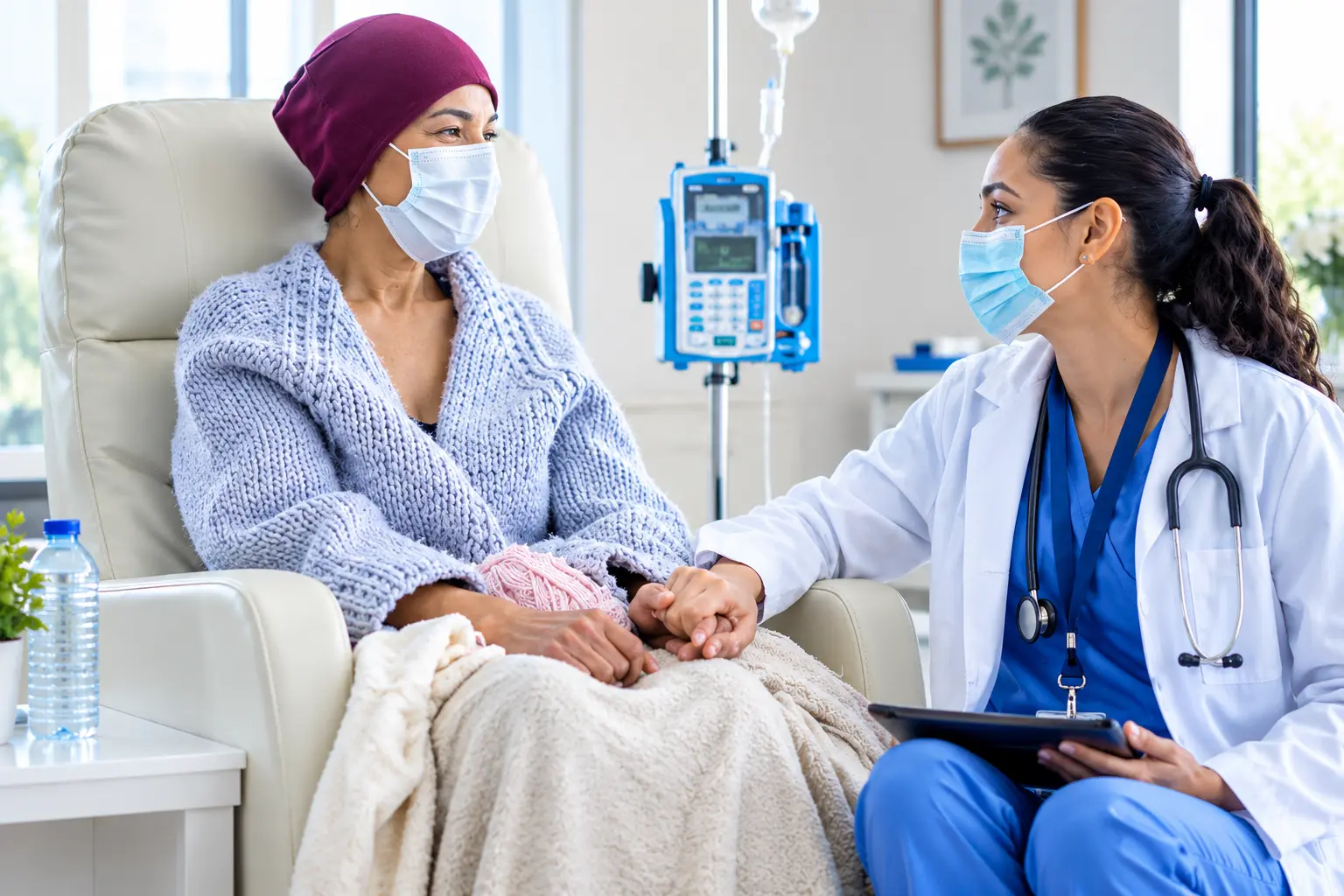
A cancer diagnosis brings many questions, especially about treatment. You may wonder whether you will need surgery, medication, radiation therapy or a combination. Understanding the options can make conversations with your oncologist easier and help you feel more prepared for the decisions ahead.
Cancer treatment is not the same for everyone. The most appropriate approach depends on the type of cancer, its stage, test results, your overall health and your preferences. In Dubai, patients can discuss the available approaches with a qualified oncologist and receive guidance based on their individual diagnosis.
How do doctors decide on a treatment plan?
Before recommending treatment, doctors review several factors that help determine which approaches may be suitable and what the treatment aims to achieve.
Type and stage of cancer
Different cancers respond to different treatments. The stage helps doctors understand the extent of the disease and whether it has spread.
Test results and tumour characteristics
Biopsy findings, imaging results and certain laboratory or molecular tests can influence treatment decisions. Depending on the cancer type, biomarker testing may help show whether a particular medicine is appropriate.
Overall health and medical history
Existing conditions, current medicines, physical fitness and previous treatments affect which options are suitable. Doctors also weigh the possible benefits and risks of each approach.
Patient preferences and treatment goals
Treatment may aim to remove cancer, reduce the chance of recurrence, control growth or relieve symptoms. You should have the opportunity to discuss your priorities, concerns and quality-of-life needs with your healthcare team.
What are the main treatment options?
The treatment recommended depends on the individual diagnosis. Some patients receive one treatment, while others need a combination. Some of these treatments are delivered by other members of the care team, such as a surgeon or radiation oncologist, depending on the specialist and facility.
1. Surgery : Surgery removes cancerous tissue when the tumour can be treated with an operation. It may be recommended for certain solid tumours and can sometimes be combined with chemotherapy or radiation therapy. Whether it is appropriate depends on the tumour’s location, size and extent, and your health. A surgical specialist can explain the potential benefits, risks, recovery period and alternatives.
2. Chemotherapy : Chemotherapy uses medicines to destroy cancer cells or slow their growth. It may be given through a vein or taken orally. It may be used before surgery to shrink a tumour, after surgery to reduce the risk of recurrence, or to control cancer that has spread. Side effects vary by medicine and may include nausea, fatigue, hair loss or an increased risk of infection.
3. Radiation therapy : Radiation therapy uses high-energy radiation to damage cancer cells and limit their ability to grow. It targets a specific area and may be used alone or alongside other treatments, before or after surgery, or to help relieve symptoms in certain situations. The schedule and possible side effects depend on the area treated and the technique used.
4. Immunotherapy : Immunotherapy helps the immune system recognise or respond to cancer. It can be used for certain cancer types but is not suitable for every patient. Doctors consider cancer type, stage, biomarker results, previous treatments and other health factors. It can also cause side effects, including inflammation affecting healthy organs, so medical monitoring is important.
5. Targeted therapy : Targeted therapy uses medicines that act on specific proteins or other features involved in cancer growth. It may be considered when testing identifies a relevant target in the tumour. Not every cancer has a target that can be treated with an available medicine, and even when targeted treatment is possible, doctors must weigh its potential benefits, side effects and suitability for the individual.
6. Hormone therapy : Some cancers, including certain breast and prostate cancers, depend on hormones to grow. Hormone therapy works by reducing hormone levels or blocking their effects on cancer cells. It may be used alone or with other treatments, and side effects differ according to the medicine and the patient’s health.
Why do some patients need more than one treatment?
Treatments may be combined because different approaches serve different purposes. For example, a patient may receive medication before surgery to reduce tumour size, or radiation therapy after surgery to lower the risk of cancer returning. The sequence and combination depend on cancer type, stage, test results and treatment goals. Where available, a multidisciplinary team may review a case, bringing together input from oncologists, surgeons, radiologists and pathologists.
Having several treatment options does not mean every option is necessary. Your treating team should explain why a particular combination is recommended and what benefits and risks it involves.
What should you ask before starting treatment?
A treatment consultation is a chance to understand the proposed plan and raise concerns. Consider asking:
- What is my exact diagnosis and cancer stage?
- What is the main goal of the recommended treatment?
- Are there alternative treatment options?
- What side effects should I expect, and how can they be managed?
- How long might treatment take, and how could it affect daily life?
- Will I need additional tests before treatment begins?
- How will we assess whether the treatment is working?
- Should I consider a second opinion before deciding?
Bring relevant medical records, biopsy reports, scan results and a list of current medicines. If anything is unclear, ask your doctor to explain it in simple terms.
Understanding cancer care in Dubai
People seeking cancer care in Dubai can look for a qualified, DHA-licensed doctor who explains the diagnosis, discusses appropriate options and, where several specialists are involved, helps coordinate care. Before beginning treatment, it helps to understand the proposed plan, where treatment will take place, how side effects will be monitored and how follow-up will be managed.
Dr. Rajeev Kaushal, [DHA-licensed title], offers oncology consultations at [Facility name], Dubai. To enquire about an appointment,
Frequently asked questions
Q1. What is the most suitable treatment for cancer?
There is no single treatment that suits every cancer. The appropriate option depends on the diagnosis, stage, test results, overall health and treatment goals.
Q2. Can cancer be treated without chemotherapy?
Some cancers may be managed with other treatments, depending on the diagnosis. However, chemotherapy may be an important part of treatment for certain patients.
Q3. How do doctors choose between radiation therapy and chemotherapy?
These treatments work differently and serve different purposes. Doctors consider the cancer type, location and stage, and whether one or both may be beneficial.
Q4. Should I get a second opinion before cancer treatment?
A second opinion can help you understand your diagnosis and options, especially if you have questions about the proposed plan. Discuss timing with your treating doctor so necessary care is not delayed.
Q5. Does cancer treatment always require hospital admission?
No. Some treatments are given in outpatient settings, while others may need admission. The arrangements depend on the treatment, your condition and your healthcare team’s recommendations.
Conclusion
Understanding the options is an important step towards informed decisions after a diagnosis. Surgery, chemotherapy, radiation therapy, immunotherapy, targeted therapy and hormone therapy each have specific uses, benefits and risks. The right plan should be based on your individual medical needs rather than a general recommendation. Discussing your diagnosis, treatment goals, alternatives and possible side effects with a qualified oncologist can help you know what to expect and prepare for the next steps.