
Upper GI Cancer: What Happens After Diagnosis?
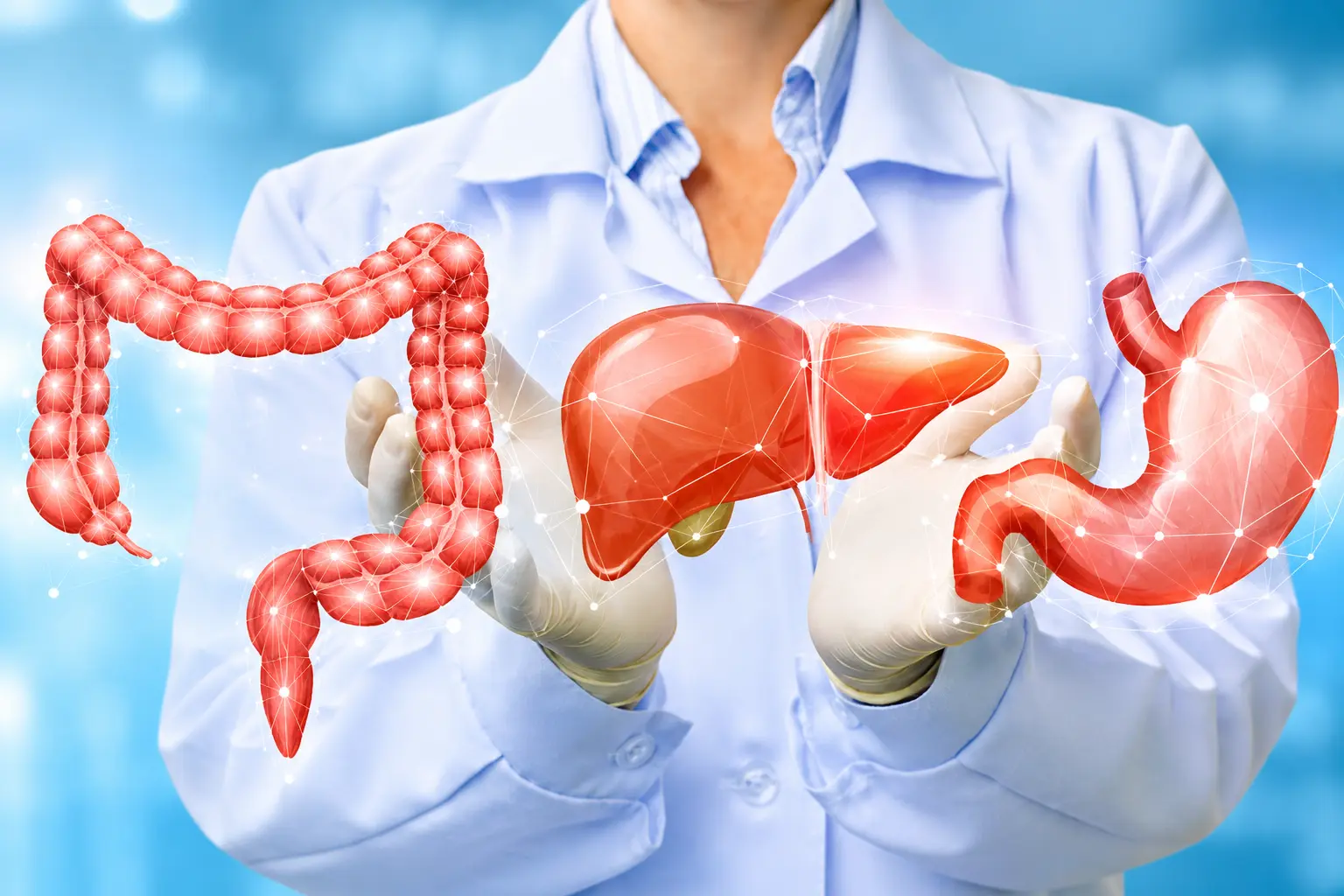
Receiving a diagnosis of upper gastrointestinal (GI) cancer raises many questions. You may want to understand the type of cancer, whether it has spread and which treatment options may be appropriate.
Upper GI cancer commonly refers to cancers of the oesophagus, the stomach and the first part of the small intestine (the duodenum). Some definitions also include cancers of related organs such as the pancreas, liver, gallbladder and bile ducts. What happens next depends on where the cancer began, the biopsy findings and your overall health. Understanding the process can help you prepare for appointments, discuss your concerns and make informed decisions with your medical team.
Understanding the diagnosis
The first step is to understand exactly where the cancer has developed and which type of cells are involved. Upper GI cancers are not all the same. Oesophageal cancer develops in the tube that carries food from the throat to the stomach, while stomach cancer begins in the stomach lining or related tissues.
The biopsy report may describe the cancer type and other characteristics. Depending on the diagnosis, additional laboratory testing may be recommended to help guide treatment decisions. Ask your doctor to explain any unfamiliar terms in the pathology report and which findings are confirmed and which investigations are still pending.
Why further tests may be needed
After the initial diagnosis, doctors may recommend more tests to understand the extent of the disease. This process is called staging. The investigations depend on the cancer’s location and the results of the initial assessment, and may include:
- CT scans: help examine the tumour and surrounding areas
- PET-CT scans: may be recommended in selected cases to assess possible cancer spread
- Endoscopic ultrasound: can help evaluate the depth of a tumour and nearby lymph nodes in appropriate cases
- Additional blood tests: may help assess general health and readiness for particular treatments
Not every patient needs every test. Your team selects investigations according to your diagnosis and circumstances.
How staging influences treatment planning
Staging describes the extent of the disease, including the size or local extent of the tumour and whether nearby lymph nodes or distant organs are involved. It helps doctors understand the clinical situation and consider suitable treatment approaches, but it does not by itself determine every aspect of a patient’s outlook. Two people with upper GI cancer may receive different recommendations because their cancers differ in location, cell type, stage and other biological characteristics.
What treatment options may be considered?
Treatment depends on the specific cancer, its stage, your overall health and the expected benefits and risks of each approach.
- Surgery : Surgery may be considered when removing the tumour is appropriate. The procedure varies depending on whether the cancer affects the oesophagus, stomach or another part of the upper digestive tract. Your medical team will discuss the potential benefits, recovery process and possible effects on eating and digestion. Surgery is carried out by a surgical specialist, who may be part of your wider care team.
- Chemotherapy : Chemotherapy uses medicines to destroy cancer cells or slow their growth. It may be recommended before surgery, after surgery, or as part of treatment for disease that cannot be removed surgically. The timing and combination of medicines depend on the cancer type and your circumstances.
- Radiation therapy : Radiation therapy uses high-energy radiation to damage cancer cells. It may be used alone in selected circumstances or combined with chemotherapy, and its role differs between oesophageal, stomach and other upper GI cancers.
- Targeted therapy and immunotherapy : Some patients may be eligible for targeted medicines or immunotherapy. These are considered according to the cancer's characteristics, relevant test results and approved treatment indications, and additional tumour testing may be required first. Not every treatment suits every upper GI cancer, so discuss the options and possible side effects with your oncology team.
Preparing for changes in eating and digestion
Upper GI cancers and their treatments can affect swallowing, appetite, digestion and body weight, which may change your nutritional needs. Depending on your condition, your team may recommend:
- Smaller, more frequent meals if tolerated
- Food textures that are easier to swallow when appropriate
- Nutritional assessment if appetite or weight decreases
- Support from a registered dietitian when needed
If you have difficulty swallowing, do not rely on diet changes alone. Tell your medical team so the cause can be assessed. Persistent vomiting, being unable to keep fluids down, vomiting blood or passing black, tarry stools need prompt medical attention. Severe bleeding or sudden deterioration may need emergency care: in Dubai, call 998 or go to the nearest emergency department.
Questions to ask before starting treatment
A diagnosis can involve several appointments and complex information. Preparing questions in advance helps. Consider asking:
- What type of upper GI cancer do I have?
- What is the stage, and which tests established it?
- Is further testing needed before treatment begins?
- What treatment options are appropriate for my diagnosis?
- What side effects could affect eating, swallowing or digestion?
- How will treatment response be monitored?
- Will I need nutritional or other supportive care?
Bring your biopsy reports, scan results, current medication list and notes about your symptoms to appointments.
Upper GI cancer care in Dubai
People diagnosed with upper GI cancer often need coordinated support to understand their diagnosis and discuss suitable options. Dr. Rajeev Kaushal, [DHA-licensed title], offers oncology consultations at [Facility name], Dubai. For more information, see [Upper GI Cancer page link, only if the service is licensed]. The appropriate plan depends on the specific cancer, stage, test results and individual health needs, so discuss your reports and options with a qualified healthcare professional.
Frequently asked questions
Q1. Which organs are affected by upper GI cancer?
The term commonly refers to cancers of the oesophagus, stomach and duodenum, and some definitions include related organs such as the pancreas and bile ducts. The exact area depends on your diagnosis.
Q2. What happens after an upper GI cancer diagnosis?
Doctors review the biopsy and other findings, recommend any additional tests needed for staging and discuss suitable treatment options.
Q3. Does every patient need surgery?
No. Surgery is one possible treatment, and its suitability depends on cancer type, stage, location and overall health. Other treatments may be recommended.
Q4. Why might additional tumour testing be required?
Certain tests identify tumour characteristics that help doctors decide whether specific targeted treatments or immunotherapies may be appropriate.
Q5. Can upper GI cancer affect eating and swallowing?
Yes. Depending on the tumour’s location and the treatment, some patients have difficulty swallowing, reduced appetite or digestive changes. Discuss these symptoms with your healthcare team.
Conclusion
An upper GI cancer diagnosis is followed by a series of assessments to clarify the cancer type, determine its extent and guide treatment decisions. Understanding biopsy results, staging investigations and the available approaches helps you take part in discussions with your healthcare team. Because upper GI cancers differ considerably, treatment should be planned around the individual diagnosis rather than a standard approach for everyone.