
Lung Cancer Treatment: New Hope Through Advanced Therapies
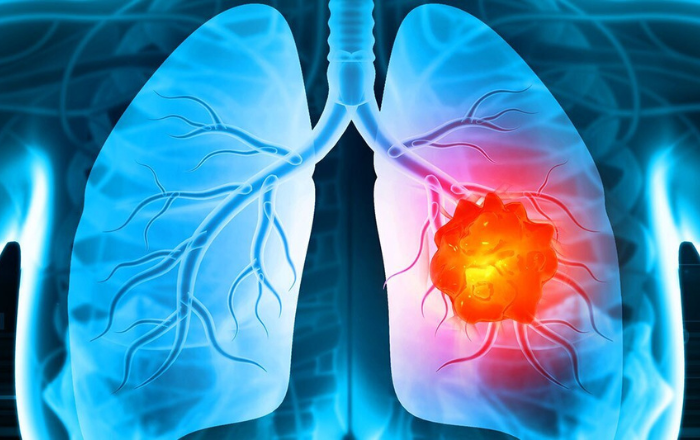
Advanced Lung Cancer Treatment Options
Lung cancer has long been one of the most challenging cancers to treat. But here’s the truth that often gets overlooked—we’re living in a time where new treatments are rewriting the story. What once felt like a dead end now comes with options, innovation, and real hope.
If you or someone close to you is facing this diagnosis, understanding the latest advanced lung cancer treatment options 2026 can make all the difference. In Dubai, access to cutting-edge therapies and expert care is rapidly evolving. With guidance from a leading cancer specialist in Dubai, patients can explore personalized and effective treatment strategies. Learn more about tailored care options through lung cancer treatment in Dubai and discover how modern medicine is transforming outcomes.
Understanding Lung Cancer
What Is Lung Cancer?
Lung cancer begins when abnormal cells in the lungs grow uncontrollably. Over time, these cells can form tumors and spread to other parts of the body. It’s like a system glitch—cells stop following rules and start multiplying chaotically.
Types of Lung Cancer
Non-Small Cell Lung Cancer (NSCLC)
This is the most common type, accounting for nearly 85% of all lung cancer cases. NSCLC includes subtypes like adenocarcinoma and squamous cell carcinoma.
Small Cell Lung Cancer (SCLC)
SCLC is less common but more aggressive. It tends to spread quickly, making early diagnosis critical.
Lung Cancer Survival Rate Trends
The landscape of lung cancer survival is changing. Historically, the 5-year survival rate ranged between 10–20%, especially for advanced cases. But with modern therapies like immunotherapy, survival rates are improving significantly.
According to
Cancer Research Institute, newer treatments are helping patients live longer and with better quality of life. Some patients now experience outcomes once considered impossible.
Symptoms of Lung Cancer
Early symptoms can be subtle, which is why lung cancer often goes undetected:
- Persistent cough
- Chest pain
- Shortness of breath
- Unexplained weight loss
Advanced symptoms may include coughing up blood or severe fatigue.
Causes and Risk Factors
Smoking remains the leading cause, but it’s not the only one:
- Air pollution
- Occupational exposure (asbestos, chemicals)
- Genetic factors
Even non-smokers can develop lung cancer, which highlights the importance of awareness.
Diagnosis of Lung Cancer
Accurate diagnosis is the foundation of effective treatment. Common methods include:
- CT scans
- PET scans
- Biopsy
- Molecular testing
These tools help identify cancer type, stage, and genetic mutations.
Traditional Lung Cancer Treatments
Surgery
Surgical removal of tumors is often recommended for early-stage cancer.
Chemotherapy
Chemotherapy uses drugs to kill cancer cells, but it can affect healthy cells as well.
Radiation Therapy
Radiation targets cancer cells using high-energy beams, often combined with other treatments.
Advanced Lung Cancer Treatment Options 2026
Immunotherapy for Lung Cancer
Immunotherapy is one of the biggest breakthroughs. It works by helping the immune system recognize and attack cancer cells.
For many patients with immunotherapy lung cancer, this approach has turned a once rapidly fatal disease into a manageable condition.
Targeted Therapy Lung Cancer
Targeted therapy focuses on specific genetic mutations like EGFR or ALK. These treatments are more precise and often come with fewer side effects.
Precision Medicine Lung Cancer Treatment
Precision medicine tailors treatment based on a patient’s genetic profile. It’s like having a custom-made suit instead of a one-size-fits-all approach.
Role of PD-L1 Expression in Treatment
PD-L1 is a protein that helps determine how well a patient might respond to immunotherapy. Higher PD-L1 levels often indicate better responses to certain treatments.
Understanding this biomarker allows doctors to make more informed decisions.
Clinical Trials and Emerging Therapies
Clinical trials are opening doors to new lung cancer treatments 2026, including:
- Cancer vaccines
- Next-generation immunotherapies
- Nanotechnology-based treatments
These innovations represent the future of oncology.
Benefits of Cutting-Edge Lung Cancer Therapies
Advanced treatments offer several advantages:
- Improved survival rates
- Better quality of life
- Reduced side effects
- Personalized care
Think of these therapies as precision tools—targeting cancer without damaging the entire system.
Lung Cancer Treatment in Dubai
Dubai has become a hub for advanced cancer care. Patients have access to:
- Multidisciplinary teams
- Advanced imaging and diagnostics
- Modern treatment technologies
Explore options for lung cancer treatment in Dubai to understand how local expertise is making a global impact.
Personalized Cancer Care Approach
Every patient’s journey is different. Personalized care considers:
- Cancer type and stage
- Genetic mutations
- Overall health
This approach ensures that treatment is not just effective—but also tailored to individual needs.
Call to Action: When to See a Specialist
If you’re experiencing symptoms or have risk factors, don’t wait. Early consultation can significantly improve outcomes.
Taking action today could change your tomorrow.
Why Choose Dr. Rajeev Kaushal – Cancer Specialist in Dubai
Choosing the right expert can transform your cancer journey. With over 35 years of international experience cancer specialist in Dubai Dr. Rajeev Kaushal provides a comprehensive approach that includes both advanced treatment and patient care.
Conclusion
Lung cancer treatment is evolving rapidly, offering new hope where there was once uncertainty. With advancements like immunotherapy, targeted therapy, and precision medicine, patients today have more options than ever before.
The key is early diagnosis, informed decisions, and access to expert care. In Dubai, world-class treatment is within reach—making it possible to face lung cancer with confidence and clarity.
FAQs (Voice Search Optimized)
Q1. What is the latest treatment for lung cancer in 2026?
Immunotherapy and targeted therapy are among the most advanced treatments available today.
Q2.What is the survival rate for lung cancer?
Survival rates vary but have improved significantly with modern therapies.
Q3. What is non-small cell lung cancer (NSCLC)?
It is the most common type of lung cancer, accounting for about 85% of cases.
Q4. Is lung cancer curable?
It can be treated effectively, especially when detected early.
Q5. What is immunotherapy for lung cancer?
It is a treatment that helps the immune system fight cancer cells.