
Breast Cancer in Dubai: Symptoms, Diagnosis & Treatment Options
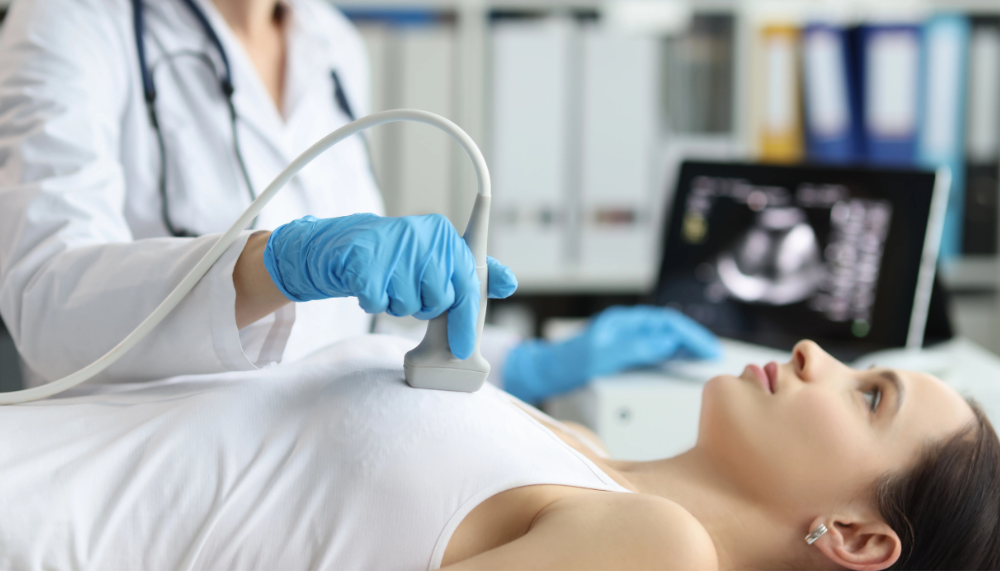
Breast Cancer in Dubai
Breast cancer is no longer a distant or rare condition—it’s something that affects thousands of women globally and increasingly in the UAE. If you’re living in Dubai, understanding breast cancer isn’t just helpful—it’s essential. Why? Because early awareness can literally save lives. Think of it like spotting smoke before a fire spreads; the earlier you act, the better the outcome.
When it comes to breast cancer in Dubai access to advanced care and experienced specialists plays a major role in improving survival rates. At leading centers, patients benefit from world-class diagnostics and personalized treatment plans. Under the expertise available, individuals receive care that blends cutting-edge technology with compassionate support—something every patient deserves during such a critical time.
Understanding Breast Cancer
What Is Breast Cancer?
Breast cancer begins when abnormal cells in the breast grow uncontrollably, forming a tumor that can spread if not treated. It’s not just one disease—it’s a group of conditions with different behaviors, growth rates, and responses to treatment. Some forms are slow-growing, while others are aggressive and require immediate intervention.
Imagine your body as a well-organized city. Cells are like citizens following rules. Cancer occurs when some cells start breaking those rules—growing rapidly, ignoring signals, and invading nearby areas. That’s why understanding the nature of the disease is so important for effective treatment.
Types of Breast Cancer
Invasive vs Non-Invasive Breast Cancer
Breast cancer is broadly classified into:
- Non-invasive (in situ): Confined to ducts or lobules
- Invasive breast cancer: Spreads to surrounding tissues
In invasive breast cancer in Dubai, early detection becomes even more critical because the cancer has the potential to spread to lymph nodes and other organs. This is where specialized care and timely diagnosis make a significant difference in outcomes.
Breast Cancer UAE Statistics & Trends
Breast cancer is the most common cancer among women in the UAE, and the numbers highlight why awareness is so crucial.
- Around 1030 cases were reported in 2020, accounting for 21.4% of all cancers
- Approximately 74% of patients are diagnosed under the age of 54
- The average diagnosis age is 42.9 years, much younger than in Western countries
- Nearly 66.2% of cases are detected at Stage I or II
According to the
World Health Organization early detection significantly improves survival rates, reinforcing the importance of screening programs.
These numbers tell a powerful story: breast cancer in Dubai is not just increasing—it’s affecting younger populations. That’s why awareness, routine checkups, and timely consultation are more important than ever.
Common Symptoms of Breast Cancer
Early Warning Signs
Breast cancer often starts silently, which makes awareness of subtle symptoms incredibly important.
Watch out for:
- A lump in the breast or underarm
- Changes in breast size or shape
- Skin dimpling (like orange peel texture)
- Nipple discharge (other than breast milk)
These symptoms might seem small, but they’re your body’s early warning system.
Advanced Symptoms
As the disease progresses, symptoms may become more noticeable:
- Persistent breast pain
- Swelling or redness
- Nipple inversion
- Enlarged lymph nodes
Ignoring these signs is like ignoring a leaking roof—it may seem manageable at first, but it worsens over time.
Causes and Risk Factors
Breast cancer doesn’t have a single cause. Instead, it develops due to a mix of genetic, lifestyle, and environmental factors.
Key risk factors include:
- Family history of breast cancer
- Hormonal imbalances
- Obesity
- Late pregnancies or no pregnancies
- Smoking and alcohol consumption
Understanding these risks helps you take preventive steps and stay proactive about your health.
Importance of Early Detection
Early detection is the difference between a manageable condition and a life-threatening disease. When breast cancer is detected early, treatment becomes less aggressive and more effective.
Think of screening as routine maintenance for your body—just like servicing your car before it breaks down. Regular mammograms and clinical exams can detect cancer even before symptoms appear.
Breast Cancer Diagnosis in Dubai
Screening Methods
Dubai offers some of the most advanced screening facilities, including:
- Mammography
- Ultrasound
- Clinical breast exams
These tests are quick, safe, and highly effective in detecting abnormalities early.
Advanced Diagnostic Techniques
For more detailed evaluation, doctors may recommend:
- MRI scans
- Biopsy procedures
- Genetic testing
These tools help determine the exact type and stage of cancer, allowing doctors to create a personalized treatment plan.
Breast Cancer Treatment in Dubai
Surgery Options
Surgery remains a primary treatment method:
- Lumpectomy (removal of tumor)
- Mastectomy (removal of breast tissue)
The choice depends on the stage and type of cancer.
Chemotherapy & Targeted Therapy
Chemotherapy uses drugs to destroy cancer cells, while targeted therapy focuses on specific cancer proteins. These treatments are designed to maximize effectiveness while minimizing side effects.
Radiation Therapy
Radiation therapy uses high-energy beams to kill cancer cells. Advanced techniques like IMRT and IGRT ensure precision, reducing damage to healthy tissues.
Advanced Technology in Dubai for Cancer Care
Dubai stands out for its access to cutting-edge cancer treatments:
- CyberKnife technology
- Molecular diagnostics
These innovations allow for highly precise and effective treatment, improving patient outcomes significantly.
Choosing the Right Breast Cancer Hospital in Dubai
Selecting the right breast cancer hospital in Dubai can feel overwhelming, but a few factors can guide your decision:
- Experience of the oncologist
- Availability of advanced technology
- Multidisciplinary care approach
- Patient support services
The right hospital doesn’t just treat the disease—it supports the entire journey.
Personalized Care Approach
Every cancer journey is unique. That’s why personalized care is essential. Treatment plans are tailored based on:
- Cancer type and stage
- Patient’s overall health
- Genetic factors
This approach ensures better outcomes and improved quality of life.
Call to Action: When Should You See an Oncologist?
If you notice any unusual symptoms or have risk factors, don’t wait. Early consultation can make all the difference.
Whether it’s a routine screening or a second opinion, taking that first step could save your life.
Why Choose Dr. Rajeev Kaushal for Breast Cancer in Dubai
When it comes to expert care, experience matters. Dr. Rajeev Kaushal brings over 35 years of global oncology expertise, combining advanced treatment methods with a patient-centered approach.
patients benefit from:
- UK board-certified expertise
- Advanced radiation technologies
- Multidisciplinary cancer care
- Compassionate, personalized treatment plans
You can also explore more about his approach here:
breast cancer in Dubai
Frequently Asked Questions
Q1. What are the first signs of breast cancer?
The earliest signs include a lump in the breast, changes in shape, or unusual nipple discharge.
Q2. Where can I get breast cancer treatment in Dubai?
You can consult specialized centers like
for advanced care.
Q3. Is breast cancer common in the UAE?
Yes, it is the most common cancer among women, accounting for over 20% of all cancer cases.
Q4. At what age should I start screening for breast cancer?
Screening is generally recommended from age 40, but earlier if you have risk factors.
Q5. Can breast cancer be cured?
Yes, especially when detected early. Treatment success rates are significantly higher in early stages.
Conclusion
Breast cancer is a serious but highly treatable condition—especially when detected early. With rising cases in the UAE, awareness and proactive healthcare are more important than ever.
Dubai offers world-class facilities, advanced technology, and experienced specialists who are equipped to handle every stage of the disease. The key is simple: stay informed, stay alert, and don’t delay medical consultation.